Why Diets Don’t Work: The Science Behind Your Body’s Survival Instincts

We are constantly bombarded by advertisements for “miracle” diets and rapid weight loss solutions. Yet, despite the billions spent on the diet industry, why do most people struggle to maintain their results? The answer lies not in a lack of willpower, but in your biological programming.
The “Famine Alert” Mechanism
When you drastically reduce your food intake, your body cannot distinguish between a “weight loss plan” and a “life-threatening famine.” To protect you, your brain triggers a Famine Alert.
Metabolic Slowdown: Your body slows down its metabolism to conserve energy.
Energy Storage: Instead of burning fat, it starts holding onto it and may even break down muscle tissue for fuel.
The Rebound Effect: Once you return to normal eating, your slower metabolism causes you to regain the lost weight—and often a few extra pounds—as a defense against the next “famine.”
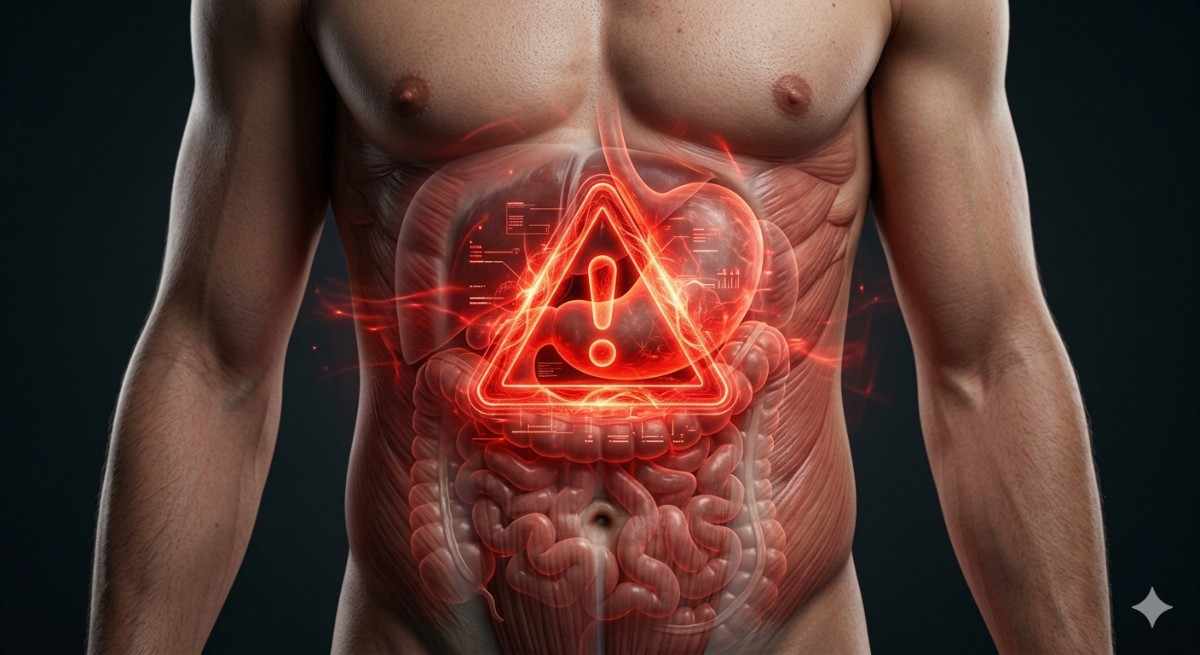
The Psychology of “Crash Dieting”
Attempting to lose weight rapidly puts your mind and body in a biologically unnatural state. When energy intake is significantly lower than expenditure, your brain resorts to “strong-arm tactics” to force you to eat.
This often leads to the Guilt-Binge Cycle:
You try to resist a small treat.
The “survival chemicals” in your brain take over, leading you to overeat.
This is followed by intense emotions of anger and failure, which are actually just natural biological responses to starvation.

Biologically, women are “programmed” to carry more fat than men (roughly 35 billion fat cells compared to 26 billion in men). This fat is essential for: Reproduction: Fat is necessary for ovulation and maintaining a healthy pregnancy.Hormonal Balance: Fat produces estrogen.Bone Health: Especially during and after menopause, having a healthy amount of body fat (a BMI around 25) significantly reduces the risk of osteoporosis and fractures.

The Dangers of “Weight Cycling”
“Yo-yo dieting”—the process of losing and gaining weight repeatedly—is linked to severe health issues. Research suggests that these fluctuations are more damaging than maintaining a stable, slightly higher weight. It increases the risks of:
Type 2 Diabetes
High Blood Pressure
Coronary Heart Disease
The Sustainable Alternative: Harmony Over Hardship
Instead of fighting your body, try working in harmony with it.
Eat Little and Often: This signals to your body that food is plentiful, keeping your metabolism at a healthy level.
Listen to Hunger Urges: Trust your body’s natural signals rather than rigid, restrictive rules.
Focus on Health, Not Fashion: Understand that “Size 10” isn’t a natural reality for everyone. Focus on a weight where you feel energetic and healthy, rather than a number dictated by a magazine.

The Dark Side of Weight Loss: Why Fad Diets, Surgeries, and Drugs Often Fail
The quest for the “perfect” body has fueled a massive industry of weight loss solutions. However, many of the most popular methods—ranging from extreme diets to invasive surgeries—often do more harm than good. Based on the latest research from our clinical records, here is an in-depth look at why these methods fail and the risks they carry.
Popular Diet Fads: The Illusion of Success
Most diets fall into categories recommended by friends or advertisements, but their scientific foundation is often shaky.
The Cambridge Diet: A “Very Low Calorie Diet” (VLCD) that limits intake to under 500 calories a day using meal replacements like shakes and bars.
The Verdict: While weight loss is dramatic, you lose muscle tissue along with fat. Losing heart muscle, specifically, can be fatal. It fails to change long-term eating habits.
The F Plan: Based on high-fiber intake, the theory is that food passes through the system too quickly for calories to be absorbed.
The Verdict: It is often boring to follow and can prevent the absorption of vital nutrients your body needs to function.
Food Combining: This regime forbids mixing proteins and starches in the same meal, claiming they require different enzymes for digestion.
The Verdict: There is no scientific proof for this. It only works because it makes the dieter more aware of what they are eating, naturally restricting total intake.
High Protein / No Carbohydrate: Popularized in the 70s, this involves eating meat and eggs while avoiding bread, pasta, and rice.
The Verdict: Initial weight loss is mostly water. Depleting glycogen stores causes the body to enter “ketosis,” leading to irritability, tension, and intense cravings.
The ‘Skinny’ or Heart Diet: A 7-day plan involving unlimited vegetable soup supplemented with specific foods like fruit or beef on different days.
The Verdict: It is a “chain letter” diet that offers no guidance on how to eat once the week is over, leading to immediate weight regain.
Hip and Thigh Diets: These focus on near-zero fat intake to slim specific areas.
The Verdict: “Spot reduction” is biologically impossible. Cutting out all fats leads to joint stiffness, skin problems, and hormonal imbalances because the body cannot produce Essential Fatty Acids (EFAs) on its own.
Surgical Interventions: High Risk, Low Sustainability
When dieting fails, many turn to surgery. However, these are drastic measures that carry significant medical risks.
Jaw Wiring: Wiring the jaw shut to force a liquid-only diet. Weight is almost always regained once the wires are removed because no new eating habits were learned.
Stomach Stapling & Lap Bands: These reduce the stomach’s capacity. However, staples can burst, and the stomach can eventually be stretched back out by overeating, requiring further major surgery.
Liposuction: Fat is vacuumed out while the patient is conscious. It is dangerous, especially near the abdomen, and can lead to organ damage, infection, and saggy skin.
Stomach Balloons & Bypass: These involve inserting silicone balloons or creating “shortcuts” in the digestive tract. Side effects include liver and kidney damage due to interference with natural digestion.
Removal of Lower Ribs: A dangerous plastic surgery used to achieve an “hour-glass” figure. It is purely cosmetic and offers no health benefits.
The Danger of Dieting Drugs
Pharmaceutical aids are often seen as a “magic pill,” but they interfere with the body’s chemistry in dangerous ways.
Serotonin Boosters: These drugs (like dexfenfluramine) curb appetite by altering brain chemistry. They were linked to primary pulmonary hypertension—a fatal condition requiring heart and lung transplants—and have since been withdrawn from the market.
Central Nervous System Stimulants: Amphetamine-based drugs reduce hunger but are highly addictive. Side effects include hallucinations, high blood pressure, and restlessness.
Xenical (Orlistat): This drug prevents the body from absorbing fat in the gut. While it causes weight loss, it leads to “anal leakage,” severe flatulence, and bowel pain. It also prevents the absorption of fat-soluble vitamins (A, D, E, and K).
Other Unusual & Unsafe Methods
Weight Loss Worms: At the turn of the century, people swallowed encapsulated tapeworms to “eat” their food for them. This is extremely dangerous and medically discouraged.
Appetite-Suppressing Gum: Often containing chromium picolinate. However, the act of chewing triggers digestive juices and can actually increase hunger.
Fat-Free Fat (Olestra): A synthetic fat used in snacks that cannot be digested. It causes severe digestive distress and depletes the body of essential carotenoids that prevent heart disease and cancer.

We are often told that the key to weight loss is simply “moving more.” While exercise is vital for health, there are many misconceptions about how it actually impacts fat loss and body shape. Based on the detailed research in these pages, let’s dive into the truth about physical activity.
1. The Reality of Calories and Exercise
Most people overestimate how many calories they burn during a workout.
A Slow Process: Exercise is a remarkably slow way to lose weight. For example, to burn off just one pound of fat, you would need to play tennis for 12 hours straight or walk briskly for 17 hours.
The “Reward” Trap: Exercise often increases appetite. If you jog for 30 minutes and then treat yourself to a chocolate bar or an extra sandwich, you have likely consumed more calories than you just burned.
Metabolism Over Calories: The true value of exercise isn’t just the calories burned during the activity, but how it raises your “Resting Metabolic Rate,” helping your body use energy more efficiently even when you are asleep.
2. Why the Scale Might Lie (Muscle vs. Fat)
It is common to start an exercise program and see the number on the scale go up. This is usually a sign of progress, not failure.
Muscles are Dense: Exercise tones and increases the density of muscle tissue. Muscle is much heavier than fat but occupies less space.
Shape over Weight: If your weight stays the same but your clothes feel looser, you are successfully losing fat and replacing it with lean muscle. This “recomposition” makes you look slimmer and firmer.
3. The Myth of “Spot Reduction”
Many people perform endless sit-ups to lose belly fat or leg lifts to slim their thighs.
The Truth: You cannot choose where your body burns fat. When you exercise, your body draws energy from fat stores across the entire body. While you can strengthen a specific muscle (like the abs), those muscles will remain hidden under a layer of fat until your overall body fat percentage drops.
4. Cellulite: Fact vs. Marketing Fiction
The “orange peel” texture on thighs and hips is commonly known as cellulite.
The Deception: Cosmetic companies often claim cellulite is a special “toxic fat” that requires expensive creams, massages, or wraps.
The Science: Medically, there is no such thing as “cellulite fat.” It is simply normal fat. In women, the structure of the connective tissue under the skin allows fat cells to bulge upward, creating that dimpled look. No cream can “melt” this; it can only be improved through overall fat reduction and muscle toning.
5. Weight Training for Women
A common fear among women is that lifting weights will make them look “bulky” or masculine.
The Biological Reality: Women have very low levels of testosterone compared to men. Without performance-enhancing supplements, it is biologically impossible for most women to develop massive, bulky muscles. Instead, weight training creates a toned, sculpted, and athletic appearance.
6. Understanding Your Body Type
Everyone is born with a specific genetic blueprint. Understanding your “Somatotype” helps set realistic goals:
Endomorph: Characterized by a heavier bone structure and a tendency to store fat easily.
Mesomorph: Naturally athletic and muscular, gaining muscle easily.
Ectomorph: Naturally thin with a light build, often finding it hard to gain weight or muscle.
The Lesson: You should aim to be the healthiest version of your body type. An Endomorph will never biologically become an Ectomorph, and trying to force that change can lead to unhealthy habits and disappointment.
Q1.What is the “Famine Alert” mechanism and how does it affect weight loss?
When you drastically cut calories, your brain can’t distinguish between a diet and a life-threatening famine. It triggers a “Famine Alert,” slowing down your metabolism and holding onto fat stores to ensure survival, which ultimately stops weight loss.
Q2.Why is “Yo-yo dieting” (weight cycling) considered dangerous for health?
Constantly losing and regaining weight puts immense stress on the body. Research links weight cycling to a higher risk of Type 2 Diabetes, High Blood Pressure, and Coronary Heart Disease compared to maintaining a stable, slightly higher weight.
Q3.Why are women biologically programmed to carry more fat than men?
Women require more fat for essential biological functions, including reproduction (maintaining pregnancy), hormonal balance (producing estrogen), and bone health (protecting against osteoporosis after menopause).
Q4.Is Liposuction a safe and permanent solution for weight loss?
No. Liposuction is an invasive surgery that carries risks like infection and organ damage. While it removes fat cells, it doesn’t change eating habits, and it can leave behind saggy skin or result in fat returning to other areas of the body.
Q5. Can you lose fat from just one specific area, like the stomach (Spot Reduction)?
No, “Spot Reduction” is a myth. When you exercise, the body draws energy from fat stores across the entire body. You can tone specific muscles, but you cannot dictate where the body burns the fat covering those muscles.







Leave a Reply