
Unmasking the Silent Saboteurs: A Scientific Guide to Permanent Weight Loss and Biological Health

Introduction: The Invisible Conflict Within
Every item of food or drink that passes through your mouth either strengthens or weakens you. It either nourishes your system or depletes your reserves. While we often focus on what we eat during our main meals, we frequently overlook the “socially acceptable drugs” and hidden ingredients that we consume daily. These substances—caffeine, alcohol, undigested proteins, and “plastic” fats—are the silent saboteurs of our health.
To truly take control of your weight and vitality, you must understand how these different foods and drinks affect the body at a physiological level. This guide is designed to move beyond the surface-level “dieting” advice and look at the actual biological necessity of natural nourish
THE FOUNDATION OF NATURAL LIVING
The Hidden Truth About Weight Loss
The modern world is obsessed with “quick fixes,” “fad diets,” and “magic pills.” However, the best-kept secret of weight loss and good health is to eat as naturally as possible. This isn’t just a catchy slogan; it is a biological necessity. Natural foods are the ones your body can digest easily and use for maximum benefit. When we talk about “natural,” we refer to foods that haven’t been stripped of their life-giving properties in a factory.
These are the foods you can burn off swiftly, which means they are good suppliers of energy and don’t linger in the body causing weight gain. Most weight problems arise because the food we eat “lingers”—it stays in our system, undigested and heavy, leading to a sluggish metabolism and fat storage. Transitioning to a natural way of eating is not about deprivation; it is about efficiency.
The Engine Analogy: High-Performance Fueling
As an analogy, if you put poor-quality petrol into a high-performance car, it may run for a while, but eventually, it will become less efficient and the engine will deteriorate. It is exactly the same with the human body. You need top-grade ‘fuel’ to ‘run on all cylinders’. Survival is your body’s top priority, and it will use whatever nourishment you give it to stay alive. Providing it with a quality diet will naturally ease the task to keep you healthy and maintain a comfortable weight.
THE PHYSIOLOGICAL BLUEPRINT
To feed yourself correctly, you must understand what you are made of. The physiological functions of the body can be technical, but they are vital for your survival.
The Composition of the Human Machine
-
- 63% Water: An essential nutrient involved in every function of the body. It helps transport nutrients and waste products in and out of the cells. Without sufficient water, the “cleansing” process of the body stops.
-
- 22% Protein: The basic building block for all your cells and bones plus your hair, skin, and nails. It is made from twenty-five amino acids, eight of which are called ‘essential’ because you must get them from your diet.
-
- 13% Fat: Important as it keeps you warm, insulates your nerve cells, and is a component of every human cell.
-
- 2% Vitamins and Minerals: Natural parts of your make-up and vital for your survival.
The Energy Source: Carbohydrates
The primary source of energy that keeps all this functioning properly is Carbohydrates, which come from grains (rice, wheat, oats, corn, etc.), fruit, and vegetables. Stabilizing blood sugar levels is vital to successful weight loss. When you eat regular amounts of complex carbohydrates and fresh fruit, you avoid the “cravings” that come with blood sugar fluctuations.
THE CAFFEINE CYCLE – A SOCIALLY ACCEPTABLE ADDICTION

Alcohol, tea, and coffee are socially acceptable drugs, and they have an anti-nutrient, depressant, or stimulant effect upon us. Because they are so common, we tend to forget their addictive properties. As we get older, our bodies have less tolerance for these substances, and the effects accumulate.
The Stimulant Trap
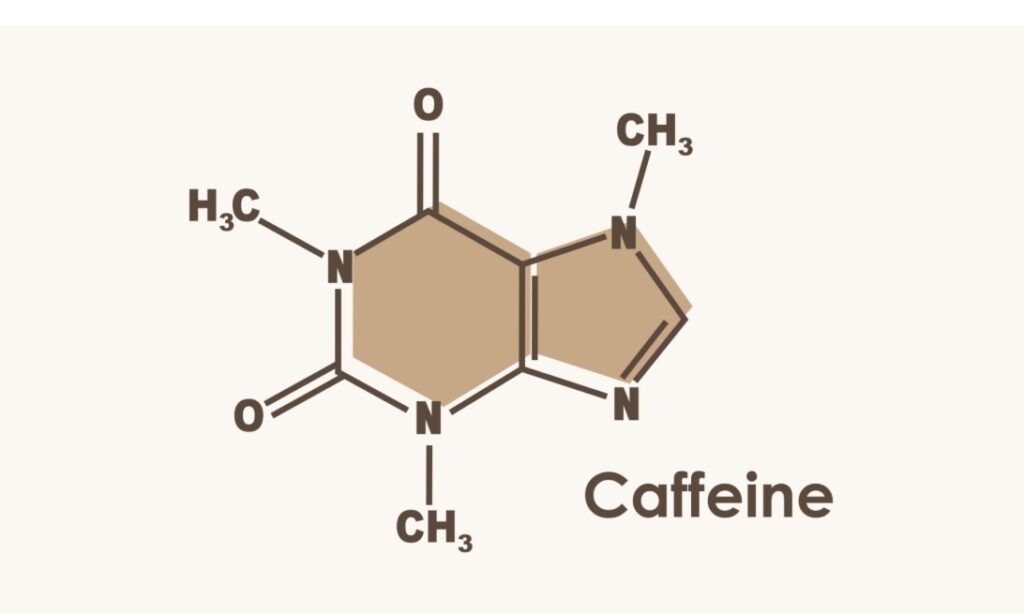
Coffee contains three major stimulants: caffeine, theobromine, and theophylline. A single cup of instant coffee contains around 66mg of caffeine, while freshly ground coffee contains even more. The stimulant effect is often quickly followed by a “downer,” which encourages us to have another cup—and so the cycle is born.
The Health Impact of Caffeine
-
- Nutrient Depletion: The diuretic effect of caffeine may flush vital nutrients and trace elements out of the body. If you are consciously increasing your fluid intake to stay healthy, drinking coffee cancels out that benefit.
-
- Breast Health (Mastalgia): Active ingredients in caffeine called methylxanthines have been linked to fibrocystic breast disease and mastalgia (breast pain).
-
- The Tannin Factor in Tea: Tea contains both caffeine and tannin. Tannin binds important minerals, preventing their absorption in the digestive tract. If you drink tea with a meal, the vital nutrients from that food may be wasted as they are excreted unabsorbed.
THE DAIRY DILEMMA AND CASEIN PUTREFACTION
The human digestive system is not naturally designed to receive cow’s milk. While it is important for the fast development of large bones in calves, it can make humans quite unwell.
The Casein Problem
Dairy products like cheese and milk contain a protein called casein. Casein levels are 300 times higher in cow’s milk than in human milk. Because we have a different digestive tract than a four-stomach cow, we cannot easily absorb this protein.
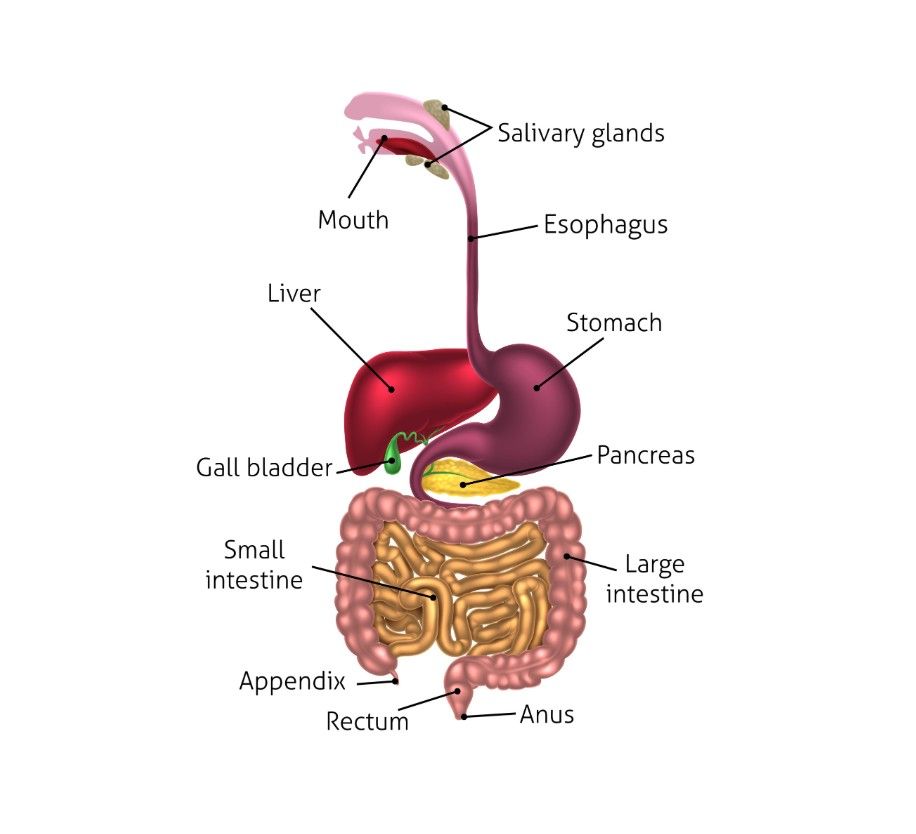
Internal Impact: It remains undigested in the gut and begins to putrefy and rot. Undigested casein clings like glue to the lining of the intestines, preventing the absorption of vital nutrients.
Energy Drain: Your body uses massive amounts of energy trying to digest substances that don’t suit it. This often leads to fatigue after eating.
FATS – THE GOOD, THE BAD, AND THE PLASTIC

Stopping all fat intake is dangerous and can lead to joint stiffness and skin problems. The key is appreciating the difference between saturated and unsaturated fats.
Saturated Fats (The Blockers)
Found in meat, cheese, eggs, and palm kernel oil. These are detrimental in two ways:
-
- Fat Deposits: They are hard to digest at body temperature and are stored unhealthily in the body, narrowing the arteries.
-
- Blocking Essential Fats: They interfere with the work of unsaturated fats.
The Danger of Hydrogenation (Margarine)
Most margarines are made through a “terrifying” chemical process called hydrogenation.
-
- Vegetable oil is mixed with nickel or copper and heated to 200°C for 6 hours.
-
- Hydrogen gas is pumped through at high pressure, creating “trans fats.”
-
- These become tiny hard plastic-like beads. Because these trans fats have a plastic-like quality, your body cannot eliminate them. They are stored as excess fat, putting extra pressure on your system.
THE SCIENCE OF FIBER – YOUR INTERNAL CLEANING SYSTEM
Fibre in its natural form is helpful in balancing blood sugar levels, but it is mainly known for its action on the bowel. Fiber binds water and increases the bulk of the stools so that they are easier to eliminate from the body.
Why Fiber is Critical for Weight Loss:
-
- Prevents Putrefaction: Fiber prevents the putrefaction of food which can result if food stays in the bowel too long.
-
- Toxin Removal: It aids digestion, increases your feeling of fullness, and removes toxins from the body.
-
- Breast Cancer Prevention: Fiber determines how much oestrogen is stored and how much is excreted. Soluble fiber binds with oestrogen so that it is excreted more efficiently.
The Danger of Isolated Bran
Many people believe they should add bran to food. However, bran is a refined food containing phytates which have a binding effect on certain vital nutrients such as iron, zinc, calcium, and magnesium. It makes much more sense to eat the grains in their whole state.
PROTEIN QUALITY AND BONE HEALTH
Excess protein has been linked to kidney stones, gout, and high blood pressure. Red meat (beef, pork, lamb) should ideally be omitted as it has been linked to diverticulitis and bowel cancer.
Harvard Research Evidence: Research from Harvard shows that women who eat more than 95g of animal protein a day have an increased risk of bone fractures compared to those who eat less. Better sources include fish, poultry, free-range eggs, pulses, nuts, and seeds.
PRACTICAL IMPLEMENTATION – STEPS TO A NEW LIFE
Transitioning to this new life requires specific steps:
Kitchen Tip: Keep oils in a dark cupboard; light damages their molecular structure.
Eat regular amounts of complex carbohydrates and fresh fruit.
Stabilise blood sugar levels by reducing refined food input.
Increase natural fibre intake from plenty of fresh fruit, vegetables, whole grains, and pulses.
Reduce sodium intake to prevent water retention.
Gradual substitution: Start by drinking diluted pure fruit juices instead of squash.
Avoid: Commercially produced oils and hydrogenated margarines.
CONCLUSION: EMBRACING YOUR HEALTHIEST SELF
All the food and drink that goes through your mouth strengthens or weakens you. Food needn’t be your enemy—it’s a valuable friend. Eating is a time for sharing and socializing. There’s nothing more demoralizing than turning down invitations because you are frightened you will “slip.”
With this way of life, as long as you have a foundation of eating well, the odd deviation will not matter. Once you start to feel and see the benefits, you’ll know that it was all worthwhile.
What are the “silent saboteurs” that destroy your health?
Silent saboteurs are socially acceptable substances like caffeine, alcohol, and undigested proteins that weaken your body. They deplete nutrients, disrupt digestion, and cause energy crashes. Most people consume these daily without realizing their harmful effects on metabolism and weight loss. Understanding these substances is crucial for achieving permanent health and natural vitality while maintaining a balanced lifestyle.
Why should you avoid cow’s milk and dairy products?
The human digestive system isn’t designed for cow’s milk. Casein protein levels in cow’s milk are 300 times higher than in human milk. Your body can’t digest this protein easily, so it putrefies in your gut, clings to intestines, and prevents nutrient absorption. This leads to fatigue, nutrient depletion, and digestive problems. Better alternatives include plant-based options and small amounts of other sources.
How does caffeine sabotage your weight loss efforts?
Coffee and tea contain caffeine, theobromine, and theophylline—three major stimulants that create an energy crash followed by craving for more coffee. This cycle depletes nutrients through diuretic effects, flushes out vital minerals, and disrupts blood sugar balance. Caffeine is also linked to fibrocystic breast disease and mastalgia. Reducing caffeine helps stabilize metabolism for sustainable weight loss and better health overall.
What’s the difference between saturated and unsaturated fats?
Saturated fats from meat and cheese are hard to digest at body temperature and block unsaturated fats. They narrow arteries and cause unhealthy fat storage. Unsaturated fats are essential and healthy. The key is balance—not avoiding fats entirely, which causes joint stiffness and skin problems. Choose fish, nuts, seeds, and avoid hydrogenated margarines which contain plastic-like trans fats your body cannot eliminate.
What is hydrogenation and why is margarine dangerous?
Hydrogenation is a chemical process where vegetable oil is mixed with nickel or copper and heated to 200°C while hydrogen gas is pumped through at high pressure. This creates trans fats with a plastic-like molecular structure. Your body cannot eliminate these trans fats, so they accumulate as excess fat deposits, causing inflammation and health problems. Natural butter or coconut oil are healthier alternatives for cooking and consumption.
How does fiber prevent breast cancer?
Fiber determines how much estrogen your body stores and how much it excretes. Soluble fiber binds with estrogen, allowing it to be eliminated more efficiently through your digestive system. Chronic constipation leads to toxic waste storage in fatty tissue, including breasts, increasing cancer risk. Eating whole grains, vegetables, fruits, and pulses provides natural fiber that protects your health and prevents disease.
Why is whole grain better than isolated bran supplements?
Isolated bran is a refined food containing phytates that bind important minerals like iron, zinc, calcium, and magnesium, preventing their absorption in your digestive tract. Eating whole grains in their natural state provides fiber plus all nutrients working together effectively. Bran supplements often cause gastrointestinal problems like irritable bowel syndrome. Nature’s whole grains are superior to factory-processed isolated fiber products for optimal nutrition.
How much protein is too much and what’s the best source?
Excess protein has been linked to kidney stones, gout, and high blood pressure. Harvard research shows women eating over 95g of animal protein daily have increased risk of bone fractures. Red meat increases diverticulitis and bowel cancer risk. Better protein sources are fish, poultry, free-range eggs, pulses, nuts, and seeds. These provide essential amino acids without the health risks of excessive animal protein consumption.
What percentage of your body is water and why does it matter?
Your body is 63% water, making it essential for every bodily function. Water transports nutrients and waste products in and out of cells, maintains cellular health, and powers all physiological processes. Without sufficient hydration, your body’s natural cleansing system stops working, leading to toxin buildup, sluggish metabolism, and weight gain. Drinking adequate water daily is fundamental to health, energy, and successful weight management and natural vitality.
How do complex carbohydrates help stabilize blood sugar?
Complex carbohydrates from whole grains, fruits, and vegetables provide steady, long-lasting energy by stabilizing blood sugar levels. Regular consumption prevents the energy crashes and cravings caused by refined foods like white flour and white sugar. Stable blood sugar means consistent energy, better metabolism, reduced fatigue, and easier weight management. This is why the food pyramid recommends 30-45% complex carbohydrates as your foundation for permanent health.






Leave a Reply