
Shop and Cook Wisely: The Complete Guide to Natural Eating, Smart Food Shopping & Healthy Cooking
Modern lifestyles have changed the way people eat. Supermarkets are filled with attractive packaging, processed snacks, ready-made meals, sugary drinks, and foods loaded with preservatives, additives, and artificial ingredients. While these products may appear convenient, many of them are far removed from their natural state and can negatively affect health, digestion, hormone balance, metabolism, and weight control.
Healthy living starts with making smarter food choices. The key to shopping wisely is understanding what happens to food before it reaches the supermarket shelf. Choosing foods in their most natural form, reading labels carefully, avoiding unnecessary chemicals, and cooking food correctly can help create a healthier lifestyle and support long-term wellness.
This guide explores the importance of natural eating, food label awareness, healthy cooking methods, organic foods, healthier ingredients, and smart shopping habits that can help improve overall health and maintain healthy body weight.
Why Natural Food Matters
One of the most important principles of healthy eating is choosing food in its most natural state. Highly processed foods often contain artificial flavorings, preservatives, sweeteners, hydrogenated oils, and chemical additives that may affect the body negatively over time.
Organic produce is often a better choice because it reduces exposure to pesticides and chemical sprays. Certain pesticides contain xenoestrogens, which are compounds that may interfere with the body’s natural hormone balance. Although some chemicals are banned in many countries, they may still enter the food chain through imported goods.
Natural food choices help the body receive:
- Better nutrition
- More vitamins and minerals
- Higher fiber intake
- Fewer chemicals
- Improved digestion
- Better weight control
- More stable energy levels
The closer food is to its original natural form, the healthier it usually is.
Become a Food Label Detective
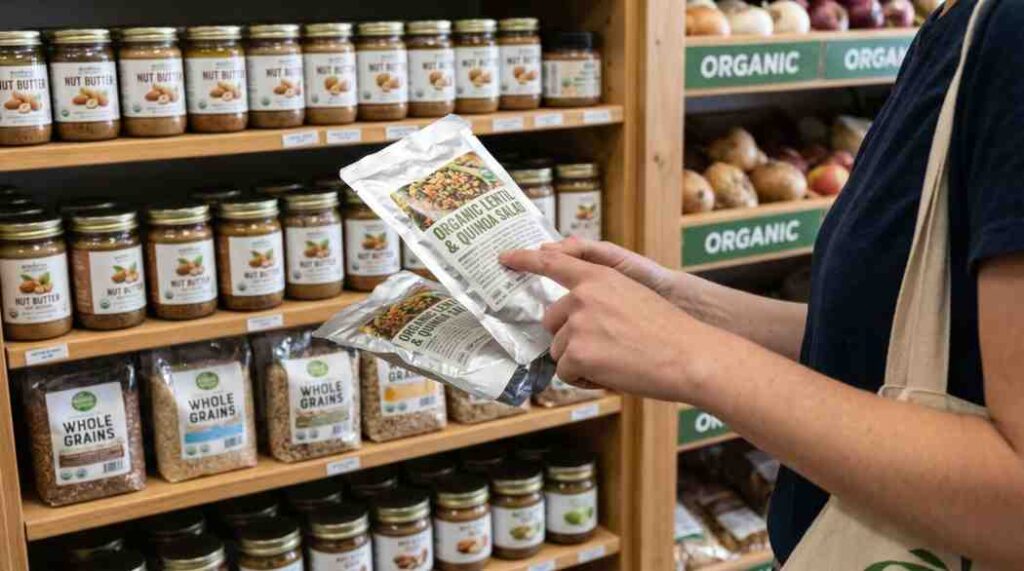
Most people buy food without carefully reading the ingredients list. However, food labels provide important information about what is actually being consumed.
The ingredients on food packaging are listed in order of quantity. The first ingredient appears in the greatest amount, while the last ingredient appears in the smallest amount.
For example, if sugar is listed first, then the product mainly consists of sugar.
Many processed foods contain long ingredient lists filled with:
- Artificial colors
- Preservatives
- Stabilizers
- Emulsifiers
- Flavor enhancers
- Sweeteners
- Modified starches
If the ingredient list looks like a chemistry lesson, it is usually a sign that the product is highly processed.
A simple rule for healthy shopping is:
The shorter the ingredient list, the better.
Natural foods should contain recognizable ingredients such as:
- Oats
- Brown rice
- Apples
- Whole wheat flour
- Almonds
- Honey
- Lentils
- Vegetables
Reading food labels regularly helps consumers become more aware of hidden sugars, unhealthy oils, and chemical additives.
Understanding E Numbers and Food Additives
E numbers are food additives used for preserving, coloring, flavoring, and improving texture. Some are naturally derived, but many are artificial chemicals.
These additives may include:
- Preservatives
- Artificial colors
- Antioxidants
- Emulsifiers
- Stabilizers
- Sweeteners
- Modified starches
Although some E numbers are considered safe, many people prefer to avoid heavily processed foods that contain multiple additives. When small amounts of chemicals are consumed from many different products every day, they accumulate inside the body.
Some naturally derived E numbers include:
- Lecithin
- Beetroot extract
- Riboflavin
- Carotene
- Annatto
However, many artificial additives are best avoided whenever possible.
The safest approach is to focus on fresh, minimally processed foods instead of relying heavily on packaged products.
Artificial Sweeteners and Hidden Sugars
Artificial sweeteners are commonly found in:
- Diet drinks
- Sugar-free snacks
- Low-calorie desserts
- Yogurts
- Chewing gum
- Processed foods
Manufacturers use artificial sweeteners because they are cheaper and often much sweeter than sugar.
Common artificial sweeteners include:
- Aspartame
- Saccharin
- Acesulfame-K
- Thaumatin
Some studies suggest that artificial sweeteners may increase cravings, appetite, and digestive problems instead of helping with weight loss.
Another important issue is hidden sugars.
Many products contain sugar under different names such as:
- Sucrose
- Fructose
- Glucose
- Dextrose
- Maltose
- Lactose
Products labeled “no added sugar” may still contain naturally occurring sugars or other sweeteners.
When shopping, always check the total sugar content instead of relying only on marketing claims.
Avoid Hydrogenated Vegetable Oils
Hydrogenated vegetable oils are commonly used in processed foods because they improve shelf life and texture.
These unhealthy oils are often found in:
- Margarine
- Biscuits
- Crisps
- Burgers
- Frozen foods
- Processed baked goods
Hydrogenated oils should be avoided whenever possible.
Healthier alternatives include:
- Extra virgin olive oil
- Cold-pressed sesame oil
- Sunflower oil
- Butter in moderation
- Unhydrogenated spreads
Choosing natural fats instead of chemically processed oils supports better overall health.
Healthy Cooking Tips for Better Nutrition
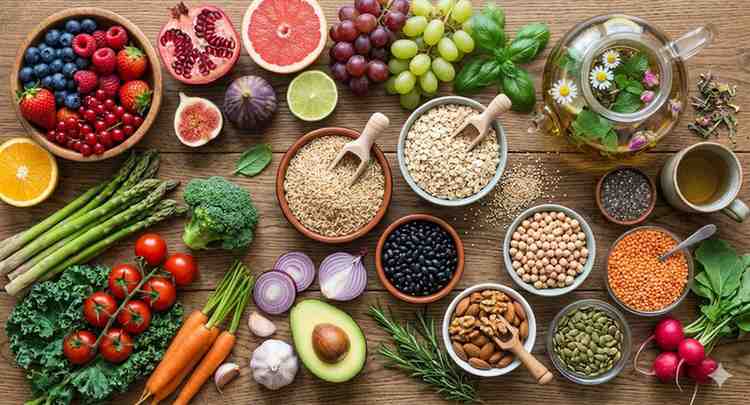
The way food is prepared has a major effect on nutritional quality.
1. Avoid Peeling Organic Vegetables
Many nutrients are concentrated just beneath the skin of vegetables.
Instead of peeling vegetables like:
- Potatoes
- Carrots
- Parsnips
- Swedes
Simply scrub them clean before cooking.
2. Steam or Lightly Cook Vegetables
Overcooking vegetables destroys important nutrients.
Steaming or lightly cooking vegetables helps preserve:
- Vitamins
- Minerals
- Antioxidants
- Natural flavor
3. Reduce Frying
Frying adds unnecessary fat and may reduce nutritional quality.
Healthier cooking methods include:
- Grilling
- Baking
- Steaming
- Poaching
- Light stir-frying
4. Choose Safe Cookware
Avoid aluminum cookware because aluminum may transfer into food during cooking.
Better cookware choices include:
- Cast iron
- Stainless steel
- Glass
- Enamel cookware
These materials are safer and more durable for long-term cooking.
The Importance of Fruits in a Healthy Diet
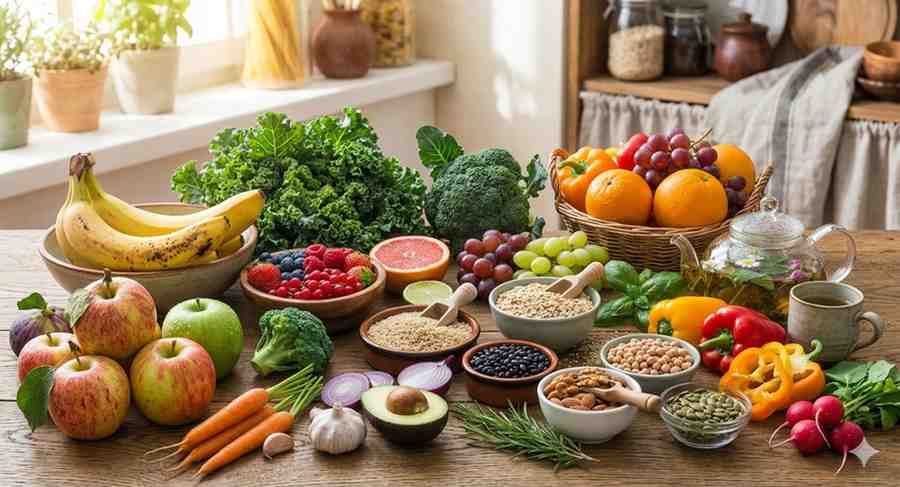
Fresh fruit is one of the healthiest foods available. Fruits provide natural sweetness, fiber, vitamins, minerals, and antioxidants.
Eating a variety of fruits supports:
- Better digestion
- Natural energy
- Healthy skin
- Weight management
- Stronger immunity
Healthy fruit choices include:
- Apples
- Pears
- Bananas
- Oranges
- Grapes
- Plums
- Cherries
- Berries
- Mangoes
- Kiwis
- Melons
- Peaches
- Nectarines
Fruit is versatile and can be eaten:
- Raw
- In fruit salads
- Mixed into yogurt
- Stewed naturally
- Added to desserts
Fresh fruit also makes an excellent healthy snack.
Dried Fruits and Smart Choices
Dried fruits can be nutritious, but it is important to check labels carefully.
Healthy options include:
- Raisins
- Dates
- Figs
- Sultanas
- Prunes
- Dried apricots
Some dried fruits contain sulphur dioxide as a preservative. Others may contain mineral oil to improve appearance.
When possible, choose preservative-free dried fruits.
Natural dried fruits may look darker, but they are often a healthier option.
Healthy Vegetables and Salads
Vegetables are naturally rich in nutrients and low in calories, making them ideal for healthy eating and weight management.
Healthy vegetable choices include:
- Broccoli
- Beetroot
- Cauliflower
- Garlic
- Green beans
- Cabbage
- Kale
- Lettuce
- Sweet potatoes
- Peppers
- Pumpkin
- Watercress
- Mushrooms
- Onions
- Peas
Vegetables can be enjoyed:
- Raw in salads
- Lightly steamed
- Stir-fried
- Added to soups
- Roasted naturally
A diet rich in vegetables supports long-term health and provides essential nutrients.
Enter the World of Seed Sprouting
Seed sprouts are highly nutritious and easy to grow.
Popular sprouting choices include:
- Alfalfa
- Mung beans
- Chickpeas
Sprouts are rich in:
- Vitamins
- Enzymes
- Minerals
- Live nutrients
They are excellent in:
- Salads
- Sandwiches
- Soups
- Stir-fries
Growing sprouts at home can be fun, affordable, and healthy.
Whole Grains for Better Health
Whole grains provide slow-release energy, fiber, and important nutrients.
Healthy grains include:
- Brown rice
- Oats
- Barley
- Millet
- Buckwheat
- Couscous
- Bulgur
Organic grains are often a better choice because grains can absorb pesticides more easily.
Whole grains help support:
- Better digestion
- Improved fullness
- Stable energy
- Healthy metabolism
Healthy Breakfast Cereals and Muesli
Many breakfast cereals contain excessive sugar and artificial ingredients.
Better options include:
- Shredded wheat
- Puffed wheat
- Organic muesli
- Whole oats
Muesli should ideally be soaked before eating to improve digestion and mineral absorption.
Choosing minimally processed cereals is a healthier way to start the day.
Bread, Pasta, and Healthy Carbohydrates
Wholegrain bread and pasta contain more fiber and nutrients than highly refined white varieties.
Healthier bread options include:
- Wholemeal bread
- Rye bread
- Sprouted bread
- Wholegrain crackers
Healthier pasta options include:
- Wholewheat pasta
- Rice noodles
- Buckwheat noodles
Bread and pasta can be included in a healthy eating plan when eaten in moderation.
Nuts, Seeds, and Natural Protein Sources
Nuts and seeds are excellent sources of healthy fats, minerals, and plant protein.
Healthy nuts include:
- Almonds
- Walnuts
- Pistachios
- Cashews
- Brazil nuts
Healthy seeds include:
- Sunflower seeds
- Sesame seeds
- Pumpkin seeds
- Poppy seeds
These foods make nutritious snacks and can also be added to salads, rice dishes, and breakfasts.
Nut butters and seed butters can also be enjoyed in moderation.
Natural Sweeteners Instead of Refined Sugar
Reducing refined sugar intake is an important part of healthy eating.
Instead of artificial sweeteners or refined sugar, healthier natural sweeteners include:
- Honey
- Maple syrup
- Date syrup
- Barley malt
- Concentrated apple juice
As taste buds adjust to less refined sugar, natural foods begin to taste sweeter and more satisfying.
Natural sweetness from fruits can also be used in homemade desserts and baking.
Pulses and Legumes for Healthy Eating
Pulses are among the healthiest and most affordable foods available.
Healthy pulse choices include:
- Lentils
- Chickpeas
- Kidney beans
- Split peas
- Haricot beans
- Black-eyed peas
- Lima beans
Benefits of pulses include:
- High fiber
- Plant protein
- Better digestion
- Long-lasting fullness
- Healthy weight management
Pulses work well in:
- Soups
- Salads
- Casseroles
- Vegetarian dishes
- Healthy pasta sauces
Choosing Healthier Meat and Fish
Meat should be eaten in moderation because it contains saturated fat.
When choosing meat, better options include:
- Organic meat
- Lean cuts
- Free-range poultry
Fish is considered one of the healthiest protein sources.
Healthy fish choices include:
- Salmon
- Sardines
- Tuna
- Mackerel
- Trout
- Anchovies
Oily fish contains essential fatty acids that support heart and brain health.
Grilling or poaching fish is healthier than frying.
Eggs and Soya Foods
Free-range and organic eggs are generally healthier choices.
Soya products can also be valuable additions to a healthy eating plan.
Healthy soya foods include:
- Soya milk
- Tofu
- Tempeh
- Miso
- Soy sauce
Soya products are versatile and can be used in:
- Soups
- Stir-fries
- Sauces
- Desserts
- Drinks
Organic soya products without added chemicals are the best option.
Healthy Dairy Alternatives
Some people experience digestive or skin problems from dairy products.
Healthier alternatives include:
- Soya milk
- Rice milk
- Oat milk
Natural live yogurt containing beneficial bacteria can also support digestive health.
Adding fresh fruit to plain yogurt is healthier than buying heavily sweetened flavored yogurt.
Healthy Drinks and Proper Hydration
Water is essential for life and supports every function in the body.
Benefits of proper hydration include:
- Better digestion
- Improved circulation
- Healthy body temperature
- Better waste removal
- Reduced constipation
Many people do not drink enough water.
Filtered water may help reduce certain impurities found in tap water.
Healthy drink options include:
- Filtered water
- Herbal teas
- Rooibos tea
- Unsweetened fruit juice
- Sparkling mineral water
Reducing sugary soft drinks and artificial beverages supports better health and weight control.
Smart Choices for Convenience Foods
Although fresh cooking is best, convenience foods are sometimes necessary.
When choosing packaged foods:
- Read ingredient labels carefully
- Avoid artificial sweeteners
- Avoid excessive sugar
- Avoid hydrogenated oils
- Choose natural ingredients
Better convenience choices include:
- Natural soups
- Wholegrain crackers
- Organic baked beans
- Rice cakes
- Natural pasta sauces
- Sugar-free fruit spreads
The healthiest convenience foods are usually those with the shortest and most natural ingredient lists.
Healthy Snacks and Desserts
Healthy snacks can help control hunger and reduce unhealthy cravings.
Good snack options include:
- Fresh fruit
- Nuts
- Seeds
- Rice cakes
- Oat cakes
- Dried fruit in moderation
Natural desserts can include:
- Fruit salads
- Stewed fruit
- Baked apples
- Live yogurt with fruit
- Homemade natural puddings
As the body becomes accustomed to less refined sugar, natural foods become more enjoyable.
The Benefits of Natural Eating for Weight Control
Natural foods help support healthy weight management because they provide:
- More fiber
- Better nutrition
- Greater fullness
- Stable blood sugar
- Fewer empty calories
Highly processed foods often encourage overeating because they contain excess sugar, unhealthy fats, and artificial ingredients.
A natural eating plan supports:
- Better energy
- Improved digestion
- Reduced cravings
- Healthier metabolism
- Long-term wellness
Final Thoughts
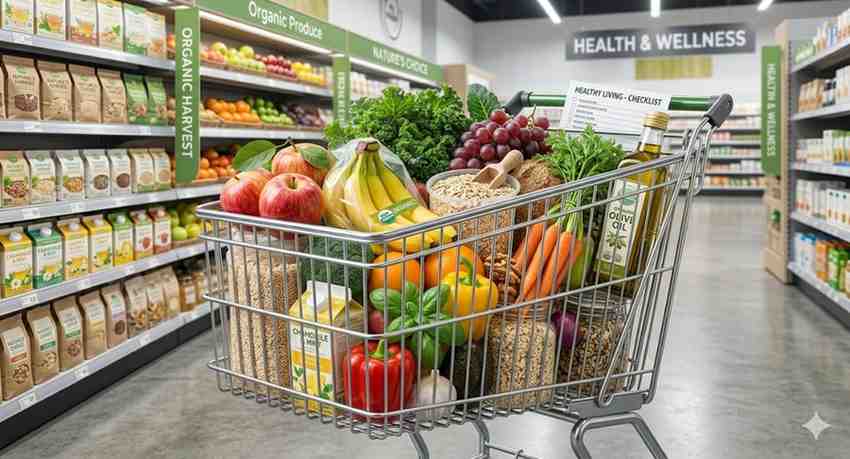
Healthy eating is not about strict dieting or perfection. It is about making smarter food choices more consistently.
Shopping wisely means:
- Choosing natural foods
- Reading labels carefully
- Avoiding unnecessary chemicals
- Eating more fresh produce
- Cooking food simply
- Reducing processed foods
- Staying hydrated
The shorter and more natural the ingredients list, the better the food usually is for your body.
By focusing on whole foods, healthy cooking methods, organic produce, and natural ingredients, it becomes easier to improve health, maintain healthy body weight, and feel more energetic.
Small changes made consistently can create long-term health benefits. When people shop wisely and cook naturally, they give their bodies the best possible foundation for lasting wellness and healthy living.






Leave a Reply