
Shop and Cook Wisely: The Ultimate Guide to Reclaiming Your Health, Balancing Hormones, and Detoxing Your Body
In our fast-paced modern world, the simple act of eating has become surprisingly complicated. We are surrounded by convenience foods, heavy clever marketing, and long chemical lists that disguise what we are actually putting into our bodies.
True vitality does not come from restrictive, short-lived starvation diets; it comes from transforming your relationship with food. By understanding what happens to your food before it reaches your plate, you can make informed choices that optimize your metabolism, shield your immune system, and protect your long-term health.
The Foundation of Wise Shopping
The absolute golden rule of nutrition is simple: buy your food in its most natural state. Before you place any item into your grocery cart, ask yourself one crucial question: What has happened to this food or drink before it reached the shop?
The Hidden Danger of Chemical Sprays
Whenever possible, prioritize organic produce that has been grown without synthetic chemical sprays. Mass-produced non-organic crops are routinely treated with pesticides, including dangerous compounds like DDT and Kepone.
These substances are classified as xenoestrogens—chemically active foreign compounds that mimic the hormone oestrogen in the human body. Once inside your system, they disrupt the delicate male and female hormone balances, leading to stubborn weight gain, reproductive issues, and lowered immunity.
A Warning on Global Trade: While highly toxic chemicals like DDT are strictly banned in countries like the UK, they are still actively used in several developing nations. Because our modern food supply relies heavily on global shipping, these harmful pesticides can easily enter our daily food chain through imported goods. Buying organic is your best line of defense against these invisible endocrine disruptors.
Becoming a Food Label Detective
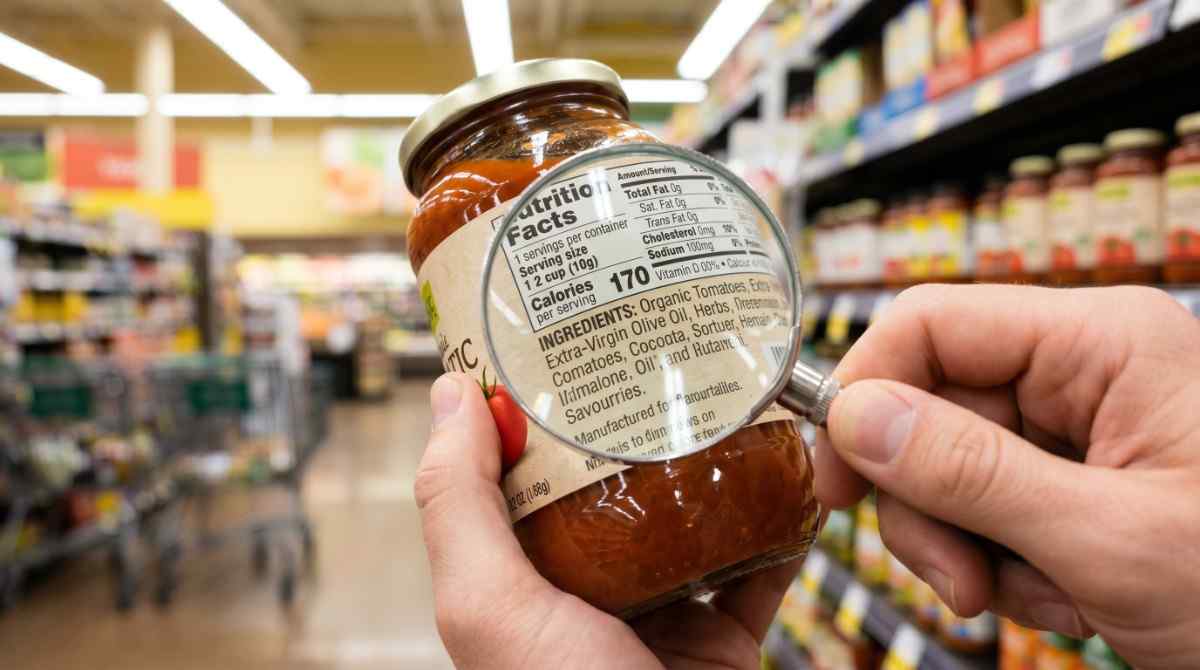
If ever there were labels that truly mattered, it is the ones printed on the food we feed ourselves and our families. Yet, the vast majority of people give them little to no attention. We lead exceptionally busy lives, rushing through supermarket aisles with zero time to spare for reading the small print.
However, investing your time into reading these labels is a vital health insurance policy. What you blindly consume can cause severe, long-term health complications, not to mention its devastating effects on your body weight.
Decoding the Structure of Ingredients
Once you begin reading labels closely, you are in for a massive shock. You will likely discover that you have been unintentionally flooding your system with synthetic chemicals every single day.
To navigate these packages successfully, you must understand how they are written:
- The Rule of Quantity: Ingredients on a label are always listed in order of weight. The first ingredient listed has the greatest quantity in that product, while the final ingredient listed has the least quantity.
- The Transparency Gap: Unfortunately, manufacturers do not tell us the exact exact measurements or percentages of each individual ingredient.
When you first start out, it will take some time and mental effort to get used to the complex phraseology, chemical terms, and brand differences. It is incredibly useful to keep a small notepad or phone memo of healthy brands you trust. Within a few weeks, your mind will adjust, you will spot hidden chemicals instantly, and shopping for the healthiest foods will become quick, seamless, and completely automatic.
Avoid Addictive Drinks (The Trio of Toxins)
Alcohol, tea, and coffee are socially acceptable drugs that many consume daily without a second thought. Because they are deeply woven into our daily social rituals, we choose to forget their highly addictive properties.
When we are young, our bodies are highly adaptable, flexible, and capable of eliminating toxins with relative ease. However, as we age, our internal tolerance drops dramatically, and the toxic effects begin to accumulate. What you could easily get away with consuming as a teenager becomes a heavy burden as you move into your thirties, forties, and beyond. As our metabolic systems become slower and less efficient, our bodies end up storing excess fat and toxins that they simply do not need.
1. Coffee: The Cyclic Stimulant
A standard cup of instant coffee contains roughly 66mg of caffeine, and freshly ground coffee contains significantly more. Coffee delivers a potent combination of three distinct central nervous system stimulants:
- Caffeine
- Theobromine
- Theophylline
[Coffee Intake] ──> [Rapid Stimulant Spike] ──> [Energy Crash / Downer] ──> [Craving Next Cup]
This chemical spike is rapidly followed by an energy “downer,” which creates an immediate craving for another cup. This is exactly how dependency cycles are born.
Furthermore, caffeine acts as a powerful diuretic, increasing urine production and literally flushing vital nutrients and essential trace elements out of your body before they can be utilized. If you are struggling with water retention and are trying to increase your daily water intake, the worst thing you can do is drink coffee.
The Link to Breast Pain (Mastalgia)
The active compounds in caffeine, known as methylxanthines, have been clinically linked to a benign breast condition called fibrocystic breast disease. Millions of women suffer from intense breast discomfort and pain (mastalgia) in the week leading up to their period, or even randomly throughout the month. Clinical experience shows that completely cutting out coffee and other methylxanthine sources (such as chocolate, cocoa, tea, and caffeinated sodas) provides immense, life-changing relief from this chronic pain.
2. Tea: The Nutrient Blocker
An average cup of tea contains about 50mg of caffeine. The widespread cultural belief that tea is automatically healthier for you than coffee is a complete myth; all the damaging cellular effects of caffeine still apply here.
Additionally, tea contains high amounts of tannin. If you are a heavy tea-drinker, tannin does far more than just turn your teeth brown—it acts as an anti-nutrient by binding to vital minerals in your digestive tract, completely blocking their absorption.
Crucial Mealtime Rule: Never drink traditional tea alongside a hot meal. If you do, the vital minerals and micronutrients contained in that food will be bound by the tannins and excreted completely unabsorbed, rendering your healthy meal useless.
The Truth About Decaffeinated Drinks
Are decaf alternatives the magic solution? Not at all. While decaffeinated coffee may lack caffeine, it still contains theobromine and theophylline—two powerful chemicals that actively disrupt your normal sleep architecture and trigger the exact same fibrocystic breast pain mentioned above. Furthermore, the industrial process used to extract caffeine from the coffee bean frequently involves harsh chemical solvents, traces of which can remain inside the final product you drink.
Managing Caffeine Withdrawal Symptoms
When you decide to reclaim your health and stop consuming these addictive drinks, your body will go through an intense adjustment phase. Because these substances are genuine drugs, stopping too suddenly can trigger dramatic withdrawal symptoms:
| Common Withdrawal Symptoms | Description & Biological Cause |
| Severe Headaches | Caused by the sudden widening of blood vessels in the brain after stopping caffeine’s constrictive effects. |
| Nausea | A systemic nervous system reaction to the sudden absence of daily stimulants. |
| Acute Tiredness | Intense physical and mental fatigue as the body tries to find its natural baseline energy. |
| Depression & Irritability | Temporary drops in mood and focus due to shifting chemical receptors in the brain. |
Interestingly, modern hospitals have discovered that many patients suffering from painful post-operative symptoms are not reacting to the surgical anesthesia as doctors long assumed. Instead, they are experiencing severe caffeine withdrawal. Because patients are required to fast entirely for many hours prior to general anesthesia, by the time they wake up from surgery, their bodies have already entered a state of acute caffeine deprivation.
To avoid these painful symptoms, never quit caffeine cold turkey. Instead, minimize the side effects by gradually cutting down your intake over a period of a few weeks, slowly substituting your regular drinks with healthy, clean alternatives like pure water, herbal teas, organic grain coffees, and diluted pure fruit juices.
Clinical Case Study: Reversing Anxiety, Insomnia, and Hormonal Spotting

The Patient: Kate came to my clinic with a long, debilitating history of severe anxiety. For several years, her GP had placed her on and off various anti-depressant medications. She felt trapped in a continuous downward spiral of extreme mood swings, depression, chronic dizziness, and intense attacks of paranoia. Physically, she was also experiencing abnormal hormonal spotting from the middle of her menstrual cycle right until her period arrived. Her gynecologist asserted that this physical symptom was purely due to a lack of oestrogen. Kate desperately wanted to conceive a child but recognized she was far too ill to handle a pregnancy.
The Dietary Investigation: I meticulously analyzed Kate’s daily nutritional intake. Her records revealed that every single day she was consuming six full cups of traditional tea, multiple cups of coffee, four to five processed sweet biscuits, and heavy portions of cake on top of her standard meals. She had never considered that her emotional and physical symptoms were directly tied to what she was putting into her mouth.
The Intervention & Results: We discussed the physiological impacts of chronic caffeine and refined sugar intake. Kate committed to completely removing tea and coffee from her life. Her body adjusted over three days of withdrawal headaches, and she completely overhauled her eating patterns to emphasize whole, natural foods.
The transformation was nothing short of miraculous. Her long-term anxiety and volatile mood swings disappeared entirely. Even more astonishingly, for the first time in three and a half years, her mid-cycle hormonal spotting stopped completely. Furthermore, her chronic constipation—which she had suffered from daily for over ten years—cleared up completely, resulting in regular, healthy bowel movements every morning. Having fully restored her biological balance, Kate feels vibrant, healthy, and has confidently decided to start trying for a baby.
3. Alcohol: The Anti-Nutrient Enemy
The consumption of alcohol, particularly wine, has risen drastically over recent decades. Because alcohol is produced by the fermenting action of yeast on sugar, it is incredibly dense in liquid carbohydrate calories. To put this in perspective:
- One single glass of wine floods your system with 100 empty calories.
- One pint of beer delivers roughly 200 calories.
Beyond causing severe blood sugar imbalances and direct liver damage, alcohol acts as a destructive anti-nutrient. This means it actively blocks the positive biological effects of the wholesome food you eat by rapidly depleting your body’s internal stores of essential vitamins and minerals, particularly zinc.
Alcohol also completely blocks the metabolism of essential fatty acids. These fatty acids are absolutely mandatory for keeping dangerous saturated fats under control and for producing prostaglandins—the vital cell-regulating chemicals responsible for managing your daily moods, mitigating pain, and maintaining strong immune function.
Demystifying the “French Paradox”
For years, researchers were baffled by the French population, who consume incredibly high amounts of saturated fats yet maintain a significantly lower rate of coronary heart disease compared to the UK.
While scientists originally assumed that drinking red wine was protecting their hearts, we now know that the alcohol in the wine offers zero protection. The true benefits come entirely from the natural grapes from which the wine is made. Grapes naturally produce a potent defensive compound called resveratrol. Controlled animal studies have proven that resveratrol significantly lowers blood fat levels and reduces dangerous cholesterol.
The Takeaway: Save alcoholic beverages exclusively for rare, special occasions, and start eating fresh, whole organic grapes instead!
Reduce Your Intake of Dairy Products and Meat
Consuming an excess of heavy animal protein places a massive, dangerous workload on the human body. High-protein diets are directly linked to the development of painful kidney stones, gout, and chronically high blood pressure. While a baseline amount of protein is absolutely essential for the physical formation of your bones, skin, hair, and muscle tissues, you must carefully monitor your intake to ensure it comes from clean, sustainable, and easily digestible sources.
The Direct Case Against Red Meat
Red meat—which includes all forms of beef, pork, lamb, and wild game—should ideally be removed from your diet entirely. These meats are heavily linked to diverticulitis, a painful gastrointestinal condition where sections of the colon wall protrude outwards, creating small structural pouches that trap waste matter and become intensely inflamed.
In fact, the Department of Health Committee on Medical Aspects of Food and Nutrition Policy (COMA) published a landmark report titled Nutritional Aspects of the Development of Cancer. This report highlighted a clear, undeniable link between red meat consumption and bowel cancer, strongly warning that any daily intake at or above 90g (3.2oz) must be reduced immediately.
When you look at modern portion sizes, it becomes terrifyingly clear how easy it is to overeat these dangerous proteins:
[Recommended Daily Max: 90g]
 ├── Average portion of bacon: 45g (Half of your daily allowance)
 └── Just two pork sausages:  100g (Instantly exceeds the safe daily limit!)
To protect your system, you must maintain a lean body weight, reduce these heavy meats, and rapidly increase your consumption of fiber-rich fruits, vegetables, and grains.
Animal Protein vs. Bone Health
A major study conducted by the Harvard School of Public Health tracked protein consumption and bone health in thousands of women aged 30 to 55. The clinical researchers discovered that women who consumed more than 95g (3.4oz) of animal protein a day suffered a significantly higher risk of forearm bone fractures compared to women who ate less than 68g (2.4oz) per day.
Crucially, women who obtained their daily protein from healthy vegetable sources rather than animals showed absolutely no increased risk of bone fractures. High animal protein intake creates an acidic environment in the blood, forcing the body to leach calcium directly from the bones to neutralize the acid.
Shopping Safely for Poultry and Eggs
If you choose to keep poultry and eggs in your diet, you must exercise extreme caution at the market:
- Eggs: Buy exclusively free-range organic eggs that have been produced naturally without the use of artificial growth promoters, mass-market antibiotics, or synthetic hormones.
- Chicken: Always choose organic, and ensure it is cooked thoroughly to destroy any lingering, harmful pathogenic bacteria.
The Case Against Cow’s Milk
Dairy products like cheese, milk, cream, and butter should be used very sparingly due to a specific milk protein called casein. The concentration of casein is 300 times higher in cow’s milk than it is in natural human breast milk. It is completely natural that millions of adults find dairy products completely impossible to digest.
[Cow's Digestive System] ──> 4 Stomachs ──> Designed to break down high casein for massive calf bones.
[Human Digestive System] ──> 1 Stomach  ──> Cannot break down massive casein molecules effectively.
The human digestive tract was never evolutionarily designed to process cow’s milk. A cow is equipped with a specialized four-stomach digestive system built specifically to process heavy casein and grow massive calf bones rapidly. Humans possess a completely different single-stomach digestive architecture. Because we cannot break down these huge protein structures, milk products frequently sit entirely undigested inside our warm intestinal tract, where they literally putrefy and rot.
This rotting, undigested matter leaves a thick, sticky film along the delicate lining of your intestines, creating a physical barrier that prevents your body from absorbing vital nutrients from the other healthy foods you eat.
Your body is forced to waste massive amounts of internal energy attempting to digest foods that do not suit its biology. If you constantly feel sluggish, heavy, or tired after a meal, check if your food contained hidden dairy, milk, custards, or creamy sauces. When your intestines are constantly battling undigested dairy, your metabolic rate drops, making it incredibly difficult to lose excess weight, and often causing unexplained weight gain. Furthermore, dairy sensitivity frequently manifests outwardly as chronic eczema, a constantly running nose, and painful sinus catarrh.
The Modern Dairy Crisis
A generation ago, a single pasture-raised dairy cow produced roughly 9 liters (2 gallons) of milk per day. In modern commercial farming, cows are aggressively pumped full of synthetic growth hormones and heavy antibiotics to boost their output, forcing a single cow to yield a staggering 56 liters (12 gallons) of milk every single day.
These chemical residues pass directly into the milk cartons sold in supermarkets. In contrast, local farmers who raise sheep and goats are far more ecologically aware; they do not manipulate nature to artificially force milk yields. Therefore, if you must consume dairy, it is infinitely better to choose natural products derived from sheep and goats.
How to Select a Healing Yoghurt
Yoghurt can be highly beneficial to your digestive health, but only if it contains active, living cultures of Lactobacillus acidophilus—the beneficial bacteria that naturally populate a healthy human gut.
During mass commercial manufacturing, most standard yoghurts undergo intense heat treatment (pasteurization) after fermentation. This completely kills off the beneficial live bacteria, leaving you with zero health benefits.
- Look for the Word “Bio”: When shopping, read labels carefully. The word “Bio” generally indicates the product is genuinely “live” and packed with active Lactobacillus acidophilus.
- Avoid the Fruit Trap: Steer completely clear of commercial fruit yoghurts, which are packed with massive amounts of refined white sugar and chemical preservatives.
- The Smart Choice: Purchase plain, unflavored, natural organic bio-yoghurt, and stir in your own fresh, whole organic fruits at home.
Master Dietary Blueprint: What to Include vs. What to Avoid
To make your transition seamless, follow this definitive checklist based on clinical evidence to restructure your daily protein and fat intake:
| Category | High-Vitality Items to INCLUDE | Inflammatory Items to AVOID |
| Proteins & Dairy | • Fresh wild fish & organic poultry • Clean, free-range organic eggs • Organic goat’s or sheep’s milk (in moderation) • Live, natural organic bio-yoghurt • Raw nuts, seeds, whole grains, beans, and tofu | • Factory-farmed beef, pork, lamb, and game • Homogenized commercial cow’s milk • Heavily pasteurized, sugar-laden fruit yoghurts • Processed deli meats containing sodium nitrates |
| Fats & Oils | • Cold-pressed, unrefined sesame, sunflower, or safflower oils (for cold salads) • Extra-virgin olive oil (for low-heat cooking) • Grass-fed organic butter (in moderation) • Raw, unroasted nuts (almonds, pecans, brazils) • Raw seeds (sesame, sunflower, pumpkin) • Natural nut butters (zero added sugar or palm oil) • Pure tahini and wild oily fish (mackerel, sardines) | • Commercial vegetable oils (chemically extracted) • Hydrogenated or partially hydrogenated margarines • Industrial trans fats found in biscuits and crisps • Processed foods containing hidden palm oil • Oils stored in clear glass bottles exposed to light • Roasted or salted commercial nuts |
Know Your Fats (The Good, the Bad, and the Plastic)
Fat has been unfairly demonized for decades. This sweeping negative reputation has caused millions of health-conscious people to mistakenly try to eliminate fat from their diets altogether.
Let it be stated clearly: low-fat and zero-fat diets are incredibly dangerous. Your diet is your body’s solitary source of Essential Fatty Acids (EFAs). When people cut out all fats, they quickly begin suffering from severe joint stiffness, chronic skin conditions, and deep hormonal imbalances. Your cells cannot function without fat; it is the fundamental structural component of every single human cell wall. The key to health is knowing how to differentiate between fats that destroy your body and fats that heal it.
1. Saturated Fats: The Cellular Blockers
Saturated fats are primarily found in animal products (meat, cheese, poor quality eggs) and cheap tropical oils like palm kernel oil. These fats are entirely non-essential for your biological health. When consumed in excess, they become highly detrimental to your body in two distinct ways:
- They Increase Unhealthy Fat Deposits: Saturated fats possess a rigid chemical structure. The more saturated a fat is, the harder it is for your digestive system to break down. Instead of being converted into clean energy, it is deposited directly into your tissues as stubborn body fat and lines the interior of your cardiovascular system, leading to dangerous narrowing of the arteries. Fat from beef, lamb, and pork are the absolute hardest to digest because they remain completely solid at normal human body temperature. The only saturated fats your body can assimilate with ease are organic butter, followed by pure coconut and palm oil.
- They Block Essential Fats: Excess saturated fats physically interfere with your body’s ability to utilize unsaturated essential fatty acids, creating a functional nutrient deficiency at a cellular level.
2. Unsaturated Fats: The Living Shield
Consider the native Eskimo populations: they consume massive quantities of animal fat daily, yet they maintain exceptionally low rates of heart disease. Why? Because they eat the exact right type of fat. Their diet consists almost entirely of wild, oily northern fish, which are absolutely packed with unsaturated essential fatty acids.
Your nervous system utilizes these essential fats to insulate delicate nerve cells, maintain soft and supple skin, keep arteries highly flexible, regulate body temperature, and balance your endocrine hormones. Furthermore, these fats have been shown to drastically reduce and relieve benign fibrocystic breast disease.
Unsaturated fats are found abundantly in raw nuts, clean seeds, and fresh vegetables. A single handful of raw nuts or a salad dressing made with a premium, cold-pressed oil provides your entire required daily intake. Unsaturated fats are chemically split into two major health-promoting categories:
                  ┌───────────────────────┴───────────────────────┐
                  ▼                                               ▼
         Monounsaturated Fats                            Polyunsaturated Fats
    (Single chemical double-bond)                  (Multiple chemical double-bonds)
    Example: Premium Extra-Virgin Olive Oil        Split into two critical families:
                                                    ├── Omega-6 (Linoleic Acid)
                                                    └── Omega-3 (Alpha-Linolenic Acid)
- The Omega-6 Family: Found naturally in unrefined safflower, corn, sesame, and sunflower oils.
- The Omega-3 Family: Found abundantly in clean fish oils, pure linseed (flax) oil, raw pumpkin seeds, walnuts, and dark green leafy vegetables.
Omega-3 is severely lacking in the modern Western diet, yet it is a powerful health enhancer. It directly boosts your immune system, rapidly escalates your metabolic rate to accelerate healthy weight loss, increases overall energy levels, and softens the skin from the inside out.
Your body uses Omega-3 to build prostaglandins—hormone-like regulatory chemicals that actively lower high blood pressure, decrease systemic inflammation, reduce fluid retention, and provide a protective shield against heart attacks and strokes. In fact, a stunning study published in the Journal of the National Cancer Institute revealed that alpha-linolenic acid successfully targeted and killed human cancer cells in tissue cultures without causing any harm whatsoever to surrounding normal healthy cells.
The Nightmare of Hydrogenation and Free Radicals
Vegetable oils are highly delicate. If they are exposed to improper extraction, light, or heat, they undergo a destructive chemical process called oxidation. This leaves the oil completely open to attack by highly reactive, unstable chemical fragments known as free radicals.
Free radicals are dangerous cellular predators. They are directly linked to the development of cancer, coronary heart disease, rheumatoid arthritis, and premature bodily ageing. Free radicals accelerate the biological ageing process by aggressively destroying healthy cells and attacking collagen—the vital organic “cement” that holds your entire body together and serves as the main structural block of your bones, cartilage, skin, and connective tissues.
Signs of Rapid Collagen Destruction
As we get older, our internal collagen production naturally declines. However, if your body is flooded with free radicals from cheap, oxidized cooking oils, this collagen destruction speeds up drastically, causing a wide array of physical symptoms across your body:
- Skin & Veins: Skin becomes prematurely wrinkled, deeply creased, and surface veins become highly prominent.
- Healing & Tissue: Wounds and cuts heal incredibly slowly, and you find yourself bruising from the slightest impacts.
- Nails & Eyes: Fingernails become thin and highly brittle, while eyes feel chronically dry, strained, and develop deep dark circles underneath.
- Mouth & Hair: Gums bleed frequently during brushing and become prone to recurring infections; painful mouth ulcers and chronic bad breath develop. Hair looks completely dull, develops split ends, stops growing, and can even begin falling out in clumps.
If you are over the age of forty, you have almost certainly experienced some of these symptoms. By aggressively avoiding free radical exposure, you can halt this systemic cellular damage.
The Terrifying Science Behind Margarine
Many people choose famous-brand, vegetable-based margarines because they believe they are making a heart-healthy choice. This is a devastating triumph of modern advertising over biochemistry. While margarine begins as liquid polyunsaturated vegetable oil, it is converted into a solid, spreadable block through an industrial chemical process called hydrogenation.
To understand what you are actually putting into your body, look at the literal industrial recipe used to manufacture margarine:
The Industrial Margarine Manufacturing Process
- Chemical Blending: Liquid, low-grade vegetable oil is dumped into a vat and mixed with fine, abrasive particles of solid nickel or copper.
- Extreme Heating: This industrial slurry is blasted with extreme heat up to approximately 200 degrees Centigrade for six continuous hours.
- High-Pressure Gas Injection: Hydrogen gas is pumped directly through the bubbling, hot mixture under massive pressure. The excited hydrogen atoms physically penetrate the vegetable oil molecules, completely mutating their chemical architecture into trans fatty acids (trans fats). These are highly complex, mutated substances that do not exist anywhere in natural biology. The factory vat must be kept scorching hot; if the temperature drops even slightly during this stage, the entire production line instantly clogs up with a thick, plastic-like sludge.
- Plastic-like Solidification: The mixture is cooled down, forming tiny, rock-hard, plastic-like beads known as hydrogenated oil.
- Final Texturing: These hard, synthetic chemical beads are mixed with liquid oil, heated up a second time, and blended. When this industrial chemical compound finally cools down, it is packaged and sold to you as “healthy” margarine.
Because these trans fats are entirely unnatural and possess a physical structure practically identical to plastic, your body has great difficulty trying to eliminate or utilize them.
Your metabolic enzymes cannot break down this synthetic plastic-like structure. Consequently, your body is forced to store these toxins as stubborn fat deposits, placing immense, toxic pressure on your liver and excretory organs. These hydrogenated oils are heavily present in margarines, fast foods, crisps, store-bought biscuits, and crackers, and they are directly linked to an increased rate of fatal heart attacks.
How to Protect Your Oils
- Never Fry with Polyunsaturated Oils: Polyunsaturated fats (like sunflower or corn oil) contain multiple fragile double bonds that instantly oxidize and create millions of free radicals when exposed to skillet heat.
- Use Olive Oil or Butter for Cooking: Monounsaturated extra-virgin olive oil has a highly stable chemical structure and a much lower chance of creating free radicals under heat. Organic butter is a saturated fat, meaning its chemical bonds are fully occupied—it never creates free radicals when heated. Keep your cooking temperatures moderate to minimize any heat damage.
- Keep Oils Dark: Always store your cooking oils inside a dark, enclosed cupboard. Never store oil in clear glass bottles on a window sill; natural sunlight catalyzes rapid oxidation within days.
The Role of Essential Fatty Acid Supplements
When you consume raw essential fats, your body naturally processes them into highly complex, specialized healing compounds. It converts the Omega-6 series (linoleic acid) into Gamma-Linolenic Acid (GLA), and the Omega-3 series (alpha-linolenic acid) into Eicosapentaenoic Acid (EPA).
However, poor liver function, high stress, and nutritional deficiencies can block your body from completing this conversion successfully. Therefore, it is highly advisable to purchase premium supplements where this chemical conversion has already been performed for you by nature.
- For GLA: Look for high-quality evening primrose, borage, blackcurrant, or starflower oil supplements. Read the label carefully and ensure you receive at least 150mg of pure GLA per day.
- For EPA: Select a pure, purified fish-oil supplement. Check the label to ensure it delivers at least 300mg of active EPA per day to safeguard your cellular health.
Increase Your Natural Fibre Intake (The Bowel Overhaul)
Dietary fiber is legendary for its ability to optimize bowel function and cure chronic constipation, but its systemic health benefits go infinitely deeper. Natural fiber binds to water in your colon, increasing the bulk of your stools so they can be smoothly and rapidly swept out of your body.
Without sufficient fiber, digesting food moves at a snail’s pace through your warm intestines. It begins to ferment and putrefy, releasing toxic gases that cause painful abdominal bloating, severe flatulence, and systemic self-poisoning.
[Low Fiber Diet]  ──> Slow Transit ──> Food Putrefies/Ferments ──> Toxins Reabsorbed into Blood
[High Fiber Diet] ──> Rapid Transit ──> Binds Waste & Excess Oestrogen ──> Clean Elimination
Fiber expands in your stomach, providing a long-lasting feeling of physical fullness that naturally stops the urge to overeat, making weight management effortless. Furthermore, fiber actively lowers dangerous circulating blood cholesterol and plays a magnificent role in protecting women against breast cancer. Fiber acts as a biological filter that determines exactly how much oestrogen is stored in your body and how much is safely excreted. Soluble fiber physically binds to excess circulating oestrogen in the gut, ensuring it is excreted through the bowels rather than reabsorbed into the bloodstream.
The Breast Cancer Connection: Chronic constipation is directly linked to an increased risk of breast cancer. When toxic waste products are trapped in a stagnant bowel, they are reabsorbed through the intestinal wall and stored away securely in the body’s fatty tissues—most notably within the delicate fatty tissues of the breasts. Increasing your daily intake of fiber-rich fruits and vegetables is statistically one of the most powerful steps a woman can take to prevent breast disease.
The Warning Against Refined Bran
In the 1960s, pioneering medical researchers Dr. Denis Burkitt and Dr. Hugh Trowell revealed to the world that native African populations suffered almost zero cases of colon cancer compared to Europeans. They correctly connected this immunity to the Africans’ incredibly high-fiber diet.
Unfortunately, Western food corporations and consumers completely misinterpreted this theory. People mistakenly assumed they should simply dump processed wheat bran onto their low-quality food.
                  ┌───────────────────────┴───────────────────────┐
                  ▼                                               ▼
             Whole Grains                                    Isolated Bran
    (As nature intended)                            (Stripped away & highly refined)
    Fiber is perfectly balanced                     Contains dense concentrations of phytates.
    with native minerals.                           Binds to iron, zinc, calcium, and magnesium.
    Result: Clean, healthy digestion.               Result: Severe mineral deficiencies & IBS.
Isolated wheat bran is a highly refined, stripped-down food byproduct. It contains extremely high concentrations of phytates—chemical compounds that act as intensive mineral binders. Once inside your gut, phytates tightly lock onto vital minerals like iron, zinc, calcium, and magnesium, pulling them out of your body and preventing your intestines from absorbing them.
The heavy, abrasive use of dry bran has directly triggered widespread gastrointestinal damage, including Irritable Bowel Syndrome (IBS). It makes infinitely more sense to consume fiber exactly how nature package it: in the form of whole, unmanipulated grains.
Overcoming Constipation Safely Without Bran
If your bowels are sluggish, do not turn to harsh laxatives or dry bran. If you do not eliminate internal waste efficiently, those toxins are constantly reabsorbed back into your bloodstream, causing systemic ill-health, fatigue, and skin flare-ups.
- Step 1: Rapidly scale up your daily intake of fresh fruits and vegetables; this will immediately increase stool volume.
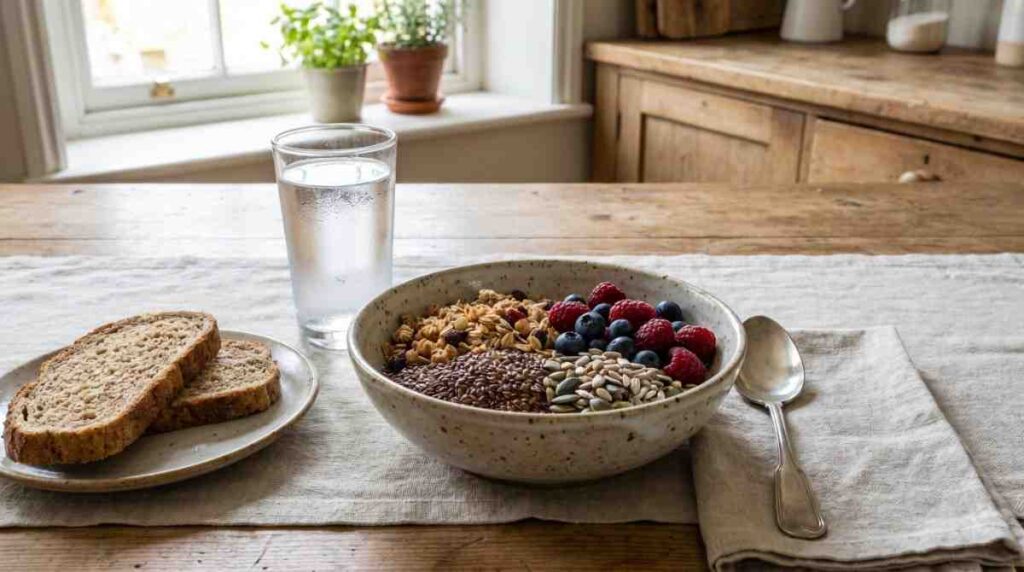
- Step 2: Sprinkle 15ml (one full tablespoon) of whole linseeds directly onto your whole-grain breakfast cereal, or soak them in a small glass of clean water for ten minutes and swallow them whole.
- Step 3: Utilize pure Vitamin C to naturally soften your stools. Begin taking a high-quality supplement of 1000mg of Vitamin C per day, and gradually increase the dose by 500mg at a time until your bowel movements become perfectly manageable, soft, and completely comfortable.
Reduce Your Sodium Intake to Drop Water Weight
Sodium is an essential mineral, but it is inextricably linked to your body’s fluid balance and blood pressure levels. The higher the concentration of sodium in your bloodstream, the higher your blood pressure rises.
Sodium operates on a delicate cellular see-saw with another vital mineral: potassium. These two nutrients work in tandem to regulate your internal water balance and normalize your heart’s rhythmic beating. The more sodium you consume, the more potassium your body is forced to expend to counteract the toxic effects. To restore your cardiovascular health, you must execute a two-pronged strategy: stop losing potassium, and dramatically slash your sodium intake.
Stopping Potassium Loss
Internal potassium depletion is accelerated by low blood sugar episodes, medical diuretics, and commercial laxatives. You must avoid all three. Furthermore, you must severely restrict your intake of alcohol, coffee, and refined white sugar, all of which force your kidneys to aggressively excrete potassium.
Exposing Hidden Dietary Salt
To lower your sodium levels, you must cut down your intake of table salt (sodium chloride). While natural salt is already perfectly present in healthy, balanced amounts across all whole fruits, vegetables, and unrefined grains, modern food corporations flood processed items with massive amounts of salt to enhance shelf-life and mask poor flavors.
The World Health Organization (WHO) strongly recommends a absolute maximum intake of 6g (one single rounded teaspoon) of salt per day, which supplies 2400mg of pure sodium. In reality, our bodies only require a tiny 500mg of sodium per day to maintain perfect health.
The average modern individual mindlessly consumes over 9g of salt every single day, completely unaware of the hidden sodium traps in everyday convenience foods:
- One single commercial burger in a bun instantly packs a staggering 6g of salt—your entire maximum daily allowance in a single sitting!
- A single slice of cheese and tomato pizza contains an astonishing 5.3g of salt.
- Two standard slices of wholemeal bread contain 1.2g of salt—meaning two innocent slices of bread contain significantly more sodium than a standard packet of salty potato crisps!
[Packet of Crisps]     ──> Moderate Salt
[Two Slices of Bread]  ──> HIGHER Salt! (The Hidden Danger)
You must read food labels with absolute vigilance. Food manufacturers also pack food with sodium in the form of sodium nitrate (a harsh chemical preservative used to color and cure processed meats) and monosodium glutamate (MSG) (a potent flavor enhancer used throughout convenience meals and Chinese cooking).
The Low-Fat Marketing Trap: Be exceptionally suspicious of foods heavily advertised as “Low-Fat” or “Low-Sugar”. When manufacturers strip fat or sugar out of a product, it loses all its palatability. To make it taste good, they routinely pump the product with massive, toxic doses of industrial salt.
A major government report on nutrition and cardiovascular health concluded that simply reducing daily salt intake by a mere one-third would immediately save at least 34,000 lives every single year from fatal strokes and heart attacks. Additionally, carrying an excess of salt forces your tissues to hold onto fluids; cutting out excess salt can instantly cause you to drop up to 1.8kg (4lbs) of stubborn, puffy water weight within a matter of days.
Soya — The Ultimate Sovereign of Prevention
The spectacular role of natural soya in completely preventing and treating chronic, degenerative diseases has achieved widespread international recognition. Soya beans are a nutritional powerhouse, containing significantly more pure protein than cow’s milk without a single trace of dangerous saturated animal fats or artery-clogging cholesterol.
In fact, soya beans are one of the only vegetable foods on Earth classified as a complete protein, meaning they naturally contain all eight essential amino acids required for human life. They are also packed with life-extending essential fatty acids, and clean soya milk is naturally entirely cholesterol-free.
The Phenomenal Health of Japanese Women
Medical demographics reveal that Japanese women experience virtually non-existent menopausal symptoms; in fact, the Japanese language does not even contain a word or linguistic phrase for “hot flushes.”
Furthermore, women living in Japan suffer one-sixth the rate of breast cancer deaths experienced by women living in the West. Comprehensive tracking studies conducted in the United States proved that when Japanese women migrate to Western nations and abandon their traditional diet in favor of Western processed foods, dairy, and red meats, their rates of breast cancer skyrocket to match Western levels.
Soya is currently being studied by the world’s leading scientific institutions for its profound ability to safely lower high blood cholesterol levels, balance reproductive hormones, and provide an ironclad shield against devastating cardiovascular disease.
The Organic Rule for Soya: When purchasing soya products (tofu, tempeh, miso, or soya milk), you must look exclusively for whole, natural, non-tampered-with beans. A massive percentage of global commercial soya has been aggressively genetically modified (GM). Always read labels to ensure your soya is certified 100% organic and completely non-GMO to maximize your body’s healing potential.
A Way of Life, Not a Diet
True health is never found in a box of diet pills, a restrictive starvation program, or a chemical-laden meal replacement shake. Transforming your body, balancing your hormones, and expanding your natural energy requires a permanent transition in how you shop and cook. It is a beautiful, deeply rewarding way of life, not a temporary diet.
By executing these clean nutritional principles, you step away from industrial food manipulation and return to the vibrant, clean template that nature originally intended for your body. Reclaim your role as a food label detective, throw out the toxic stimulants and trans fats, embrace whole fibers and essential oils, and watch your body naturally shed excess weight while radiating pure, unstoppable health.
The golden rule is to buy your food in its most natural state. Always ask yourself what has happened to the food or drink before it reaches the shops, and aim for organic produce that hasn’t been chemically sprayed.
Pesticides like DDT and Kepone contain xenoestrogens, which are foreign compounds that mimic estrogen in the human body. Once inside your system, they disrupt the delicate male and female hormone balance.
Ingredients are listed in order of weight or quantity. The first ingredient listed has the greatest quantity in that product, while the final ingredient listed has the absolute least quantity.
Coffee contains three stimulants: caffeine, theobromine, and theophylline. Its quick energy spike is rapidly followed by a “downer” crash, which immediately triggers a craving for another cup.
Tea contains tannin, an anti-nutrient that binds to vital minerals in the digestive tract. Drinking it with a meal causes vital nutrients to be wasted as they are excreted completely unabsorbed.
Kate suffered from anxiety, mood swings, and hormonal spotting due to heavy tea, coffee, and sugar intake. Completely removing caffeine and switching to whole foods fully reversed all her symptoms.
Cow’s milk is 300 times higher in the protein casein than human milk. While a cow’s four-stomach system breaks it down easily, our single stomach cannot, causing it to putrefy in the gut.
Saturated fats (from animals) are hard to digest, block essential fats, and increase fat deposits. Unsaturated fats (from nuts, seeds, fish) are vital components that insulate nerves and balance hormones.
Margarine goes through hydrogenation, using extreme heat and hydrogen gas to turn liquid oil into plastic-like trans fats. The body cannot utilize or eliminate them, so they are stored as excess fat.
Soluble fiber binds to excess circulating estrogen in the gut so it can be excreted efficiently. This prevents toxic waste from being reabsorbed and stored in the body’s fatty breast tissues.







Leave a Reply