
Building Your Foundation for Optimal Health: The Complete Nutritional Wellness Guide

Why Your Food Choices Matter More Than You Think
In a world where processed food dominates supermarket shelves and convenience trumps nutrition, understanding the true value of wholesome eating has become more important than ever. The food we consume doesn’t just fill our bellies—it quite literally becomes our bodies. Every nutrient, every chemical, every additive either nourishes us or harms us. This comprehensive guide explores how to build a nutritional foundation that supports weight management, hormonal balance, disease prevention, and lasting vitality.
The Hidden Dangers Lurking in Conventional Foods
Chemical Pesticides: The Silent Invaders
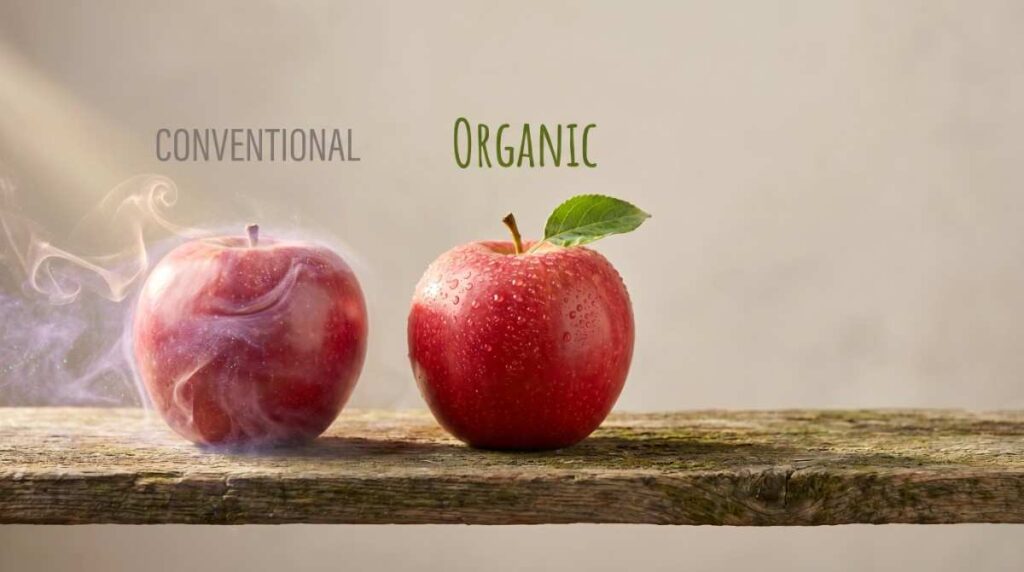
When you bite into a conventionally grown apple, you’re not just eating fruit—you’re potentially consuming residues of dangerous pesticides. Chemicals like DDT and Kepone contain xenoestrogens, which are synthetic compounds that mimic estrogen in the human body. These fake hormones wreak havoc on delicate hormonal balance in both men and women.
The problem extends globally. Although DDT is banned in the United Kingdom, it continues to be used in developing countries. Through international food trade and imports, these banned chemicals make their way into our food supply. Buying organic isn’t just a wellness trend—it’s a defense mechanism against this chemical contamination. When you choose organic, you’re choosing to avoid this silent threat to your endocrine system.
Understanding Xenoestrogens and
Hormonal Disruption
Xenoestrogens don’t just cause minor imbalances. These chemicals accumulate in body tissues and can trigger serious hormonal consequences:
In Women: Disrupted menstrual cycles, fertility problems, endometriosis, fibrocystic breast disease, and increased breast cancer risk
In Men: Reduced sperm count, erectile dysfunction, and prostate issues
In Both Sexes: Weight gain (especially around the midsection), mood swings, metabolic dysfunction, and accelerated aging
This is why organic produce, though occasionally more expensive, represents genuine investment in long-term health rather than an optional luxury.
The Food Additive Crisis: What Your Body Is Really Processing
Breaking Down the Additive Alphabet
Food manufacturers add approximately 3,000 different chemicals to our food supply. Many were approved decades ago with minimal long-term safety testing. Among the most problematic are E numbers—a European coding system for food additives that’s spreading globally.
E numbers include permitted colorings (both natural and synthetic), preservatives, antioxidants, emulsifiers, stabilizers, sweeteners, solvents, minerals, and modified starches. While some E numbers derive from natural sources, the vast majority are synthetic chemicals with unknown long-term effects.
Natural E Numbers to Know
E160b (Annatto coloring): Natural, no known adverse effects
E140 (Carotene): Natural food coloring
E322 (Lecithin): Natural emulsifier
E330-E337: Natural acids and their salts
However, the general principle remains: if you can’t pronounce it or recognize it, your body probably doesn’t need it.
The E-Number Problem
Walking through supermarkets with an E-number reference book would be cumbersome, but here’s the simple truth: most products containing E numbers aren’t worth buying. The best action is avoiding them altogether. When faced with a choice between a product with E numbers and one without, choose the latter every time.
Even foods claiming to be “natural” might contain hidden additives. The key is developing label-reading skills that become second nature, allowing you to quickly scan ingredients and identify red flags.

Artificial Sweeteners: The Diet Trap That Backfires
Why Diet Products Often Make You Gain Weight
Ironically, the American Cancer Society discovered something stunning: people who regularly consume artificial sweeteners tend to gain weight, not lose it. How can a zero-calorie sweetener contribute to weight gain? The answer lies in how these chemicals affect our bodies at a cellular level.
Artificial sweeteners slow down digestive processes and increase appetite. Your body, expecting calories when it tastes sweetness, signals hunger when no calories arrive. This disconnect creates a vicious cycle where diet products actually encourage overeating.
The Dangerous Sweeteners to Avoid
Aspartame (NutraSweet, Canderel): Made from two amino acids, discovered in 1965, approximately 180 times sweeter than sugar. Found in soft drinks, yogurts, chewing gum, ice cream, and salads. Concerns exist about its metabolic breakdown in the body.
Saccharin: Made from petroleum materials and discovered in 1937, saccharin is 300 times sweeter than sucrose. Found extensively in soft drinks, canned foods, salad dressings, ice lollies, confectionery, and over-the-counter pharmaceuticals. Its long-term safety remains controversial.
Acesulfame-K: Made with sulphur and nitrogen, developed in 1967, approximately 200 times sweeter than sugar. The US Centre for Science in the Public Interest called for its ban due to cancer concerns. It’s used in soft drinks, preserves, yogurts, canned foods, and confectionery.
Thaumatin: Derived from ketemfe, an African plant, and developed in 1972, thaumatin is about 2,000 times sweeter than sugar. Found primarily in chewing gum. Limited long-term data exists about its safety.
The Chemical Cocktail Effect
The danger of artificial sweeteners isn’t just individual chemical effects—it’s the cumulative “chemical cocktail” created when your body processes multiple sweeteners from different products daily. We consume aspartame from diet soda, saccharin from yogurt, and acesulfame-K from chewing gum—all in one day. Nobody truly knows how these chemicals interact synergistically in the human body.
Decoding No Added Sugar Claims: The Marketing Deception
The Sugar Disguise
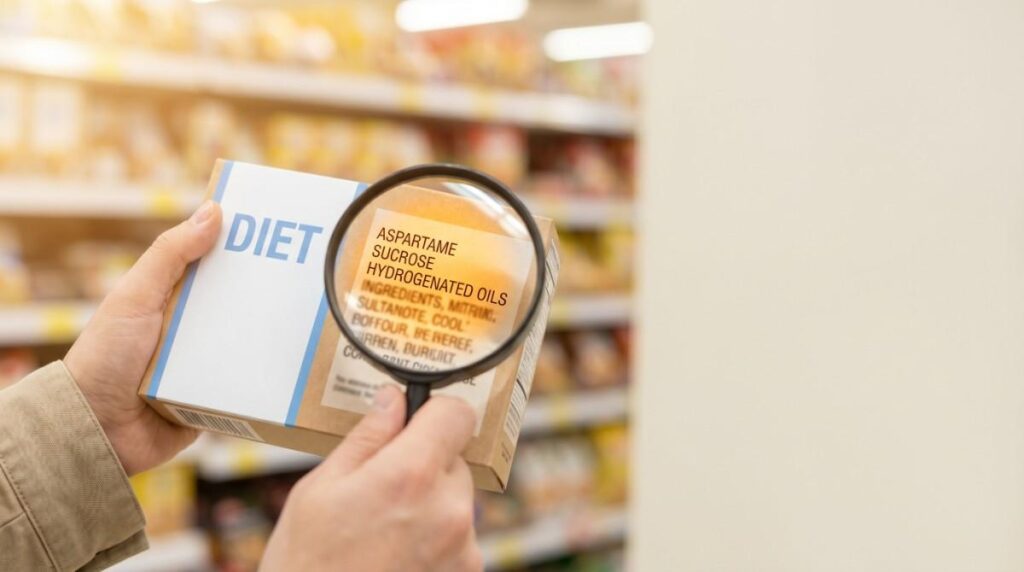
Labels claiming “no added sugar” represent one of food marketing’s greatest deceptions. This phrase can mean either that no sugar of any kind was added, or simply that no added sucrose was included. Manufacturers exploit this ambiguity by breaking down sugar into multiple forms on ingredient lists.
Since all these compounds are technically sugars, listing them separately makes the product appear healthier than it actually is. A product might contain dextrose, fructose, glucose, and maltose—together comprising 30% of the product—yet claim “no added sugar.”
Words Ending in -ose Are Always Sugar
Train your eyes to spot the deception:
Sucrose: Common table sugar from sugar cane or beets
Fructose: Fruit sugar, increasingly linked to metabolic dysfunction
Glucose: Blood sugar, fast-acting, affects insulin response quickly
Dextrose: Chemically identical to glucose, derived from corn starch
Lactose: Milk sugar, a complete sugar for those intolerant
Maltose: Sugar made from starch, equally problematic as table sugar
When reading labels, always calculate total sugar from ALL sources. A “25% less added sugar and salt” claim might hide the fact that the product contains only 15% less total sugar than the original brand.
The Hydrogenated Oil Disaster: Trans Fats in Disguise
Why Hydrogenation Creates Health Hazards
Hydrogenated vegetable oils represent one of the worst dietary disasters of modern food production. These are trans fats created through an industrial process that solidifies liquid oils, extending shelf life while destroying human health.
Found extensively in margarines, crisps, burgers, and biscuits, hydrogenated oils are linked to:
Increased LDL (bad) cholesterol
Decreased HDL (good) cholesterol
Cardiovascular disease and heart attacks
Chronic inflammation
Metabolic dysfunction
Insulin resistance
The Simple Solution: Always scan ingredient lists for “hydrogenated” or “partially hydrogenated” oils. When these appear, choose a different product. Many companies now offer healthier alternatives using unhydrogenated oils, making this choice increasingly easy.
Whey: The Pollutant Disguised as Food Ingredient
From Waste Product to Kitchen Staple
Whey represents industrial food production’s most cynical transformation. This yellow-green byproduct of cheese manufacturing was once considered waste requiring expensive disposal. Now, as cheese consumption has exploded globally, manufacturers faced a serious problem: what to do with millions of tons of whey annually?
The solution? Rather than properly disposing of this pollutant, the food industry decided to market it as a food ingredient and feed it to consumers.
The Environmental and Health Perspective
An article published in the Los Angeles Times revealed whey’s serious environmental problems. This substance is 200 times stronger as a pollutant than residential sewage. Most sewerage plants cannot adequately treat it. Dumping whey in streams depletes oxygen, rendering waterways incapable of supporting marine life. Even disposal on land poses risks through groundwater contamination.
Yet whey now appears in bread, ice cream, baked goods, and processed foods as a cheap substitute for more wholesome ingredients. When reading labels, if whey appears in ingredient lists, choose alternatives. Its presence indicates a manufacturer choosing to maximize profit over consumer health.
Building Your Optimal Food Foundation
The Principle of the Shortest Ingredient List
Here’s a powerful principle: the longer the ingredients list, the more suspicious you should be about the product’s naturalness. Manufacturers argue that preservatives and flavorings are added in such small quantities they have no adverse effect. This argument collapses when you realize that small amounts from multiple products accumulate throughout the day.
A single convenience meal might contain dozens of additives. Plus a snack with different additives. Plus a drink with yet more additives. These small amounts suddenly become significant chemical loads on your liver and elimination systems.
Comprehensive Shopping Guide: Creating Your Wellness Arsenal
Fresh Produce: The Foundation of True Nutrition
Fruits: Make variety your keyword. Include the familiar—apples, pears, grapes, oranges, bananas—but explore beyond these staples. Stock your kitchen with plums, peaches, nectarines, berries, cherries, dates, melons, kiwis, tangerines, and satsumas. For tropical variety, add mangoes, pawpaw, lychee, and passion fruit.
Fruit versatility is remarkable. Use them in pies, tarts, crumbles, eat them raw, stew them, mash them into natural yogurt, or carry them for snacking away from home. They’re perfect for children’s lunch boxes and provide instant nutrition during busy days.
Organic fruit costs slightly more but tastes significantly better and ensures freedom from pesticide residues. If you have time and space, growing your own fruits eliminates pesticide concerns entirely while creating beautiful gardens.
Vegetables: All vegetables support health—including root vegetables like potatoes and parsnips you might have avoided believing them “fattening.” This belief is outdated and incorrect. Root vegetables contain important minerals and fiber.
Always buy organic when possible, and crucially, scrub rather than peel vegetables. Most nutrient concentration occurs just beneath the skin. Lose the skin and you lose valuable nutrition.
Essential vegetables include artichokes, asparagus, avocado, beetroot, broccoli, brussels sprouts, cabbage, carrots, cauliflower, celeriac, celery, corn on the cob, cucumber, garlic, green beans, kale, lettuce, mange tout, mushrooms, onions, peas, peppers, pumpkins, radishes, runner beans, sugar-snap peas, squash, swedes, sweet potatoes, turnips, watercress, and yams.
The Miracle of Seed Sprouting
Sprouted seeds represent nutrition in its most vibrant form. Sprouting initiates the seed’s growth cycle, multiplying nutrient availability and creating “live” nutrition unlike any processed food.
Alfalfa, mung beans, and chickpeas will sprout when kept damp in a warm place. Once sprouted, they become excellent sources of live enzymes, vitamins, and minerals. Mix them into salads for nutritional power.
While you can purchase pre-sprouted seeds from health food shops, growing your own costs very little. Special sprouting trays available from health food shops are inexpensive and create an engaging activity for children who love watching seeds transform daily.
Grains: The Smart Choice for Budget-Conscious Health
If limited budget restricts organic produce purchasing, prioritize organic grains. Grains absorb pesticides more readily than other foods, making organic choice especially important.
Stock your pantry with barley, bulgur, brown basmati rice, buckwheat, couscous, millet, popcorn (organic, non-GMO), oats (both jumbo flakes and porridge varieties), and both long-grain and short-grain brown rice.
For breakfast cereals, choose sugar-free options. Shredded Wheat and Puffed Wheat contain no added sugar. Choose organic brands like Suma’s Malted Wheat Flakes (containing only wheat and malt), Kallo’s Puffed Rice Cereal (only organic wholegrain brown rice), and Doves Organic Corn Flakes (organic corn, organic wheat syrup, organic barley malt extract, and sea salt).
Bread and Grains: Quality Over Convenience
Organic wholegrain loaves represent your best bread choice. Many supermarket breads contain sucrose, dextrose, and questionable flour improvers. Always read labels carefully.
The flour improver ascorbic acid (Vitamin C) is acceptable, but most other flour improvers should be avoided. Look for specialty breads like olive and tomato varieties. Organic wheat and rye breads provide excellent alternatives. Manna’s sprouted breads come in fruit, multigrain, and malt varieties. While bread is allowed, remember to eat it in moderation.
Pulses and Legumes: Protein Without Meat
Pulses represent affordable, nutritious plant-based protein. Most pulses (except lentils) require soaking, preferably overnight, before cooking. This breaks down phytates that inhibit mineral absorption. Alternatively, buy tinned versions, but always check labels for added sugar and salt.
Essential pulses include aduki beans, black-eyed peas, chickpeas (for hummus), haricot beans (baked beans), kidney beans, brown and red lentils (for soups and vegetarian dishes), lima beans, mung beans (sprouted as beansprouts), navy beans, soya beans (for tofu, soya sauce, and miso), and split peas.
Pulses make excellent dish foundations when reducing meat consumption. Add them to salads, soups, and casseroles for complete protein.
Fish: Nature’s Brain Food
All fish offers health benefits with low saturated fat and high nutritional value. Oily fish—mackerel, tuna, salmon (eat the bones for calcium), sardines, and anchovies—contains exceptional levels of omega-3 essential fatty acids critical for brain health, heart function, and inflammation control.
Grill or poach rather than frying. Plaice, trout, and Dover sole make excellent choices. Fresh fish is preferable, but frozen or tinned varieties retain nutritional value.
Meat: Quality Over Quantity
Reduce meat consumption overall, especially red meat. When eating meat, choose organic whenever possible. Organic meat comes from animals not given growth hormones or antibiotics—chemicals present in most conventionally raised meat.
Poultry represents the healthiest meat choice. Many supermarkets now stock organic, free-range, or corn-fed birds. Some meat suppliers deliver organic meat directly to homes. For red meat, limit intake to less than 90g daily due to documented links between consumption and bowel cancer risk.
Eggs: Choose Wisely
Buy free-range and preferably organic eggs from hens fed food free from antibiotics, hormones, and artificial growth promoters. Free-range labels can be misleading—many “free-range” operations keep hens in enormous barns with only tiny outside doors few birds ever use. Organic, pasture-raised eggs represent superior nutritional quality.
Soya Products: Versatile Nutrition
Soya represents exceptionally versatile natural vegetable protein, especially valuable for those unable to digest animal milk or experiencing skin and sinus problems from dairy consumption.
Soya Milk: Buy organic, sugar-free varieties. Provamel makes excellent organic, sugar-free soya milk containing only filtered water and organic soya beans. Japanese soya milks like Bonsoy (containing purified water, organic soya beans, barley malt, barley, and kombu—a sea vegetable) offer superior taste without the aftertaste some soya milks have. Use soya milk identically to cow’s milk in cooking.
Tofu: Soya bean curd made by adding curdling agents to soya milk, tofu can be eaten raw, used in stir-fries, soups, and desserts. Its neutral flavor makes it incredibly versatile.
Miso: Made from fermented soya beans combined with rice or barley, miso undergoes fermentation for one to three years. Purchase in paste form and add to soups or casseroles. Add miso toward cooking’s end on very low heat, as high temperatures destroy beneficial enzymes. A traditional nourishing drink uses 5ml miso paste in boiling water.
Soy Sauce: Choose varieties containing only natural ingredients: soya beans, wheat, water, and salt—never sugar or monosodium glutamate (MSG). Good brands include Clearspring, Westbrae, and Eden. Organic options are preferable.
Tempeh: Fermented soya beans pressed into blocks, tempeh has stronger flavor than tofu and can be fried or used in soups.
Nuts and Seeds: Healthy Fat Sources
Enjoy nuts as snacks or in cooking: Brazil nuts, cashews, cob nuts, pecans, pine kernels, pistachios, and walnuts. Combine with raisins for complete snack nutrition. Pine nuts added to brown rice during cooking create delicious variety.
Seeds—sunflower, sesame, pumpkin, poppy, and caraway—can be added to salads, cooked vegetables, or rice.
Sweeteners: Embrace Natural Alternatives
Rather than artificial sweeteners, rely on food’s natural sweetness. When baking cakes, add carrots, raisins, or bananas for sweetness. Use eating apples in pies to eliminate added sugar need. Add raisins or sultanas for extra sweetness. Date slices are wonderful because dates provide natural sweetness.
As taste buds adjust to reduced refined sugar consumption, natural vegetable and fruit sweetness becomes increasingly appreciated.
Natural sweetener options include maple syrup, concentrated apple juice, barley malt, date syrup, and honey. Use honey sparingly and avoid “blended” varieties or those labeled “produce of more than one country” as these are heated to temperatures destroying natural benefits. Be wary of maple syrup labeled “flavoured” as it might contain sugar and chemical flavorings.
Hydration: The Foundation of All Health
Water: Your Most Important Nutrient
Our bodies are approximately 70% water, involved in every bodily process including digestion, absorption, circulation, and excretion. Yet most people chronically under-drink water.
Ironically, people prone to water retention often restrict liquid intake, believing less water consumption prevents retention. The opposite occurs. Restricted water triggers the body into conservation mode—it retains water just as it adopts starvation mode when food is restricted.
Aim to drink around six glasses of water daily, substituting for other drinks. An excellent morning ritual: cup of hot water with a lemon slice—wonderfully refreshing and excellent for liver support.
Tap, Filtered, or Bottled Water?
Tap Water: Often contaminated with arsenic, lead, copper, agricultural pesticides, and fertilizers. These contaminants vary by location but represent real risks.
Filtered Water: Won’t eliminate every impurity but significantly improves water quality. Jug filters available at supermarkets and health food shops contain cartridges requiring regular replacement. Under-sink filters offer permanent solutions, with cartridges also requiring periodic changing. Once filtered, use this water for drinking, washing produce, and cooking.
Bottled Water Types:
Spring Water: May undergo filtration and blending; treatments vary
Natural Mineral Water: Bottled in natural underground state, untreated, from officially registered sources with conformity to purity standards
Naturally Sparkling Water: Underground source water with natural carbon dioxide
Sparkling (Carbonated) Water: Water with added carbon dioxide
Convenience Foods: Making Better Choices When Necessary
Despite good intentions to cook from fresh, sometimes convenience foods become necessary. When this occurs, look for wholesome options.
Baked Beans: Choose supermarket brands carefully—many contain significant sugar. Check labels for artificial sweeteners. Whole Earth makes excellent sugar-free, organic baked beans.
Soups: Most supermarket soups contain sugar, artificial sweeteners, or chemicals. Baxter’s offers some acceptable varieties including Mediterranean Tomato, Minestrone, and Carrot and Butterbean, but always verify ingredients before purchasing. Many supermarkets now offer good fresh soups.
Sauces and Prepared Meals: Whole Earth and Meridian Italiano make useful pasta sauces. Most supermarket pasta sauces contain sugar—verify labels before purchasing. Frozen meals should remain emergencies only; fresh cooking remains preferable.
Snacks and Biscuits: Fresh fruit, dried fruit, nuts, and raisins make excellent snacks. Quality crisps and tortilla chips from health food shops use non-hydrogenated oils. Ryvita and rice cakes (available in numerous flavors) work well. Choose sugar-free biscuits, mainly available from health food shops.
Your Transformation Begins Now
Building optimal health through wise shopping and conscious cooking creates lasting change. By avoiding processed foods laden with harmful additives, choosing organic whenever possible, understanding and decoding marketing deceptions on labels, and preparing simple whole foods, you reclaim control of your health destiny.
This isn’t about restriction or deprivation—it’s about abundance. Abundant variety, abundant nutrition, abundant energy, and abundant vitality. The investment you make today in learning to shop and cook wisely returns dividends throughout your entire life in the form of sustained health, healthy weight management, stable energy, mental clarity, and freedom from diet-related diseases.
Your supermarket journey has transformed from autopilot shopping to informed decision-making. Armed with this knowledge, you’re equipped to make choices supporting not just survival, but genuine thriving. One conscious choice at a time, you’re building the healthy life you deserve.
Xenoestrogens are synthetic compounds found in pesticides like DDT that mimic estrogen in the body. According to the document, they disrupt hormonal balance — causing menstrual problems, fertility issues and increased breast cancer risk in women, and reduced sperm count in men. Scientific research confirms that xenoestrogens act as endocrine disruptors — they bind to estrogen receptors and can cause developmental anomalies, especially during early life stages. Recent 2024 studies also show that certain pesticides like chlorpyrifos can promote obesity and weight gain by altering lipid and glucose metabolism and modifying hormone levels.
The document explains that artificial sweeteners slow digestion and increase appetite — when the body tastes sweetness, it expects calories, and when none arrive, it triggers hunger signals leading to overeating. 2024 research confirms that high consumption of artificial sweeteners paradoxically leads to weight gain — they cause dysbiosis in the gut microbiota, reducing beneficial bacteria like Lactobacillus and increasing harmful Proteobacteria, which results in glucose intolerance and insulin resistance. Studies including the Women’s Health Initiative have linked artificially sweetened beverages to elevated risks of stroke, coronary heart disease, and mortality.
The document raised concerns about the metabolic breakdown of aspartame and saccharin inside the body. In June 2023, an international expert group classified aspartame as Group 2B — “possibly carcinogenic to humans” — although the evidence remains limited and inconclusive. According to current understanding, the cancer risk from artificial sweeteners is probably low — a 60 kg person would need to consume 75 sweetener packets daily, equivalent to about 9 cans of diet soda, to reach potentially unsafe levels. Despite this, both the document and experts recommend cautious use.
The document states that hydrogenated oils are trans fats that raise LDL cholesterol, lower HDL cholesterol, and cause cardiovascular disease. According to the WHO, high intake of trans fats increases the risk of death from any cause by 34%, coronary heart disease deaths by 28%, and coronary heart disease risk by 21% — and trans fats have absolutely no known health benefits. Due to these serious health risks, the US FDA has banned food manufacturers from adding partially hydrogenated oils (PHOs) to foods.
The document explains that manufacturers break sugar down into multiple forms on ingredient lists — dextrose, fructose, glucose, maltose — to make the product appear healthier. Every word ending in “-ose” is a form of sugar. This is a marketing deception where a product may contain 30% sugar yet still claim “no added sugar.” Consumers must calculate total sugar from all sources rather than relying only on the “added sugar” claim. When reading labels, always look for words like sucrose, fructose, dextrose, lactose, and maltose — treat them as a red flag and choose an alternative product whenever possible.
The document explains that consuming multiple artificial sweeteners from different products in a single day — aspartame from diet soda, saccharin from yogurt, acesulfame-K from chewing gum — creates a dangerous “chemical cocktail” whose combined effect on the body remains completely unknown. Research confirms that these sweeteners — saccharin, aspartame, sucralose, and acesulfame-K — have a profound impact on gut health, creating “leaky gut syndrome” where toxins enter the bloodstream and trigger inflammation through harmful biological pathways. This means studying a single sweetener in isolation is not enough — the combined daily exposure is far more dangerous than any individual chemical alone.
According to the document, whey is a byproduct of cheese manufacturing that was once considered industrial waste. It is 200 times stronger as a pollutant than residential sewage, depletes oxygen in waterways, and destroys marine life. However, as global cheese consumption exploded, the food industry began adding it to bread, ice cream, and baked goods rather than properly disposing of it — saving disposal costs at the expense of consumer health. This is a stark example of a profit-first approach where manufacturer convenience is prioritized over public wellbeing. Always check labels and choose an alternative whenever whey appears in the ingredient list.
The document explains that sprouting initiates a seed’s growth cycle, which multiplies nutrient availability and creates live enzymes, vitamins, and minerals not found in any processed food. Alfalfa, mung beans, and chickpeas can be sprouted at home simply by keeping them damp in a warm place. Once sprouted, they become powerful additions to salads. Their biggest advantage is that they are “live food” — complete with active enzymes that improve digestion, boost immunity, and stabilize energy levels. Growing them at home is extremely affordable and even makes for an engaging activity for children who enjoy watching seeds transform daily.
The document specifically states that grains absorb pesticides more readily than almost any other food, making organic choice especially critical here. Research confirms that pesticide exposure is particularly harmful during early life, and has been linked to increased leukemia risk, intrauterine growth restriction, and poor brain development. Eating conventional grains on a daily basis leads to gradual pesticide accumulation in body tissues — making this a worthwhile long-term health investment. Brown basmati rice, oats, millet, buckwheat, and barley are all excellent organic grain choices to keep stocked in your pantry.
The document’s golden rule is: the longer the ingredient list, the more suspicious you should be. A single convenience meal may contain dozens of additives — then a snack adds different additives, then a drink adds even more. These seemingly small amounts accumulate throughout the day, creating a significant chemical load on the liver and elimination systems. Research confirms that additives like trans fats cause inflammation and calcification of arterial cells — both well-established risk factors for coronary heart disease. The practical rule is simple: if you cannot pronounce or recognize an ingredient, your body most likely does not need it. Always choose the product with the shortest and most recognizable ingredient list.